
Curator Corner
It isn’t often that researchers who work with historic objects get to know the people who used those objects every day. Sometimes we get lucky and can link artifacts to certain facilities or buildings on a historic VA campus, but usually we must look for more hidden lines of evidence to figure out how an object fits into the history of those who care for our Nation’s Veterans. As nice as it would be, it isn’t as if many artifacts turn up labeled with their owners’ names! So, imagine my surprise when my teammates and I began sweeping Putnam Library for any historic objects left behind before the building is closed for renovation, and found just that.
As far as artifacts go, its story seemed simple: book presses like these would have been used to help maintain and repair the thousands of books read in Putnam Library ever since it first opened in 1879. The day that I first got up close and personal with the press, I noticed a woman’s name scraped into the black paint of the platen (the technical name for the big metal plate used to hold books together). It said “Helen Carson” in big, legible letters. As we carefully transported the heavy press down the many stairs inside Putnam Library, I looked at the name and thought “Hm…wonder who that is?”.
Exhibits
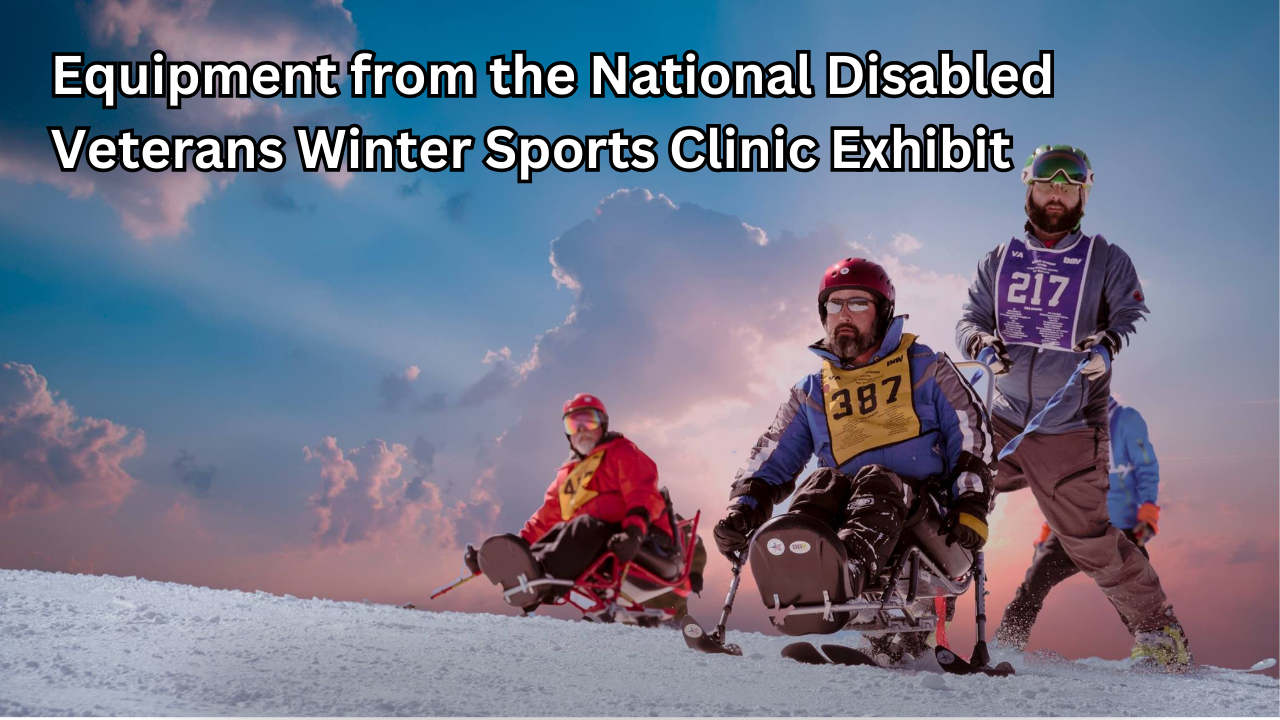
In 2024, the National Disabled Veterans Winter Sports Clinic, hosted by the Grand Junction VA Medical Center and co-presented with Disabled American Veterans, will donate adaptive ski equipment from the early years of the event to the National VA History Center in Dayton, Ohio. The clinic started in 1986 when VA established it and then held the the inaugural event at Powderhorn the following year. The clinic welcomed approximately 90 Veterans from 27 states, bolstered by a volunteer staff of about 20. Despite skepticism from many health professionals of the era, the clinic underscored the importance of physical activity for persons of all abilities.
This exhibit includes multiple items that were used at the early clinics, which are finding a new home at the National VA History Center.
Curator Corner
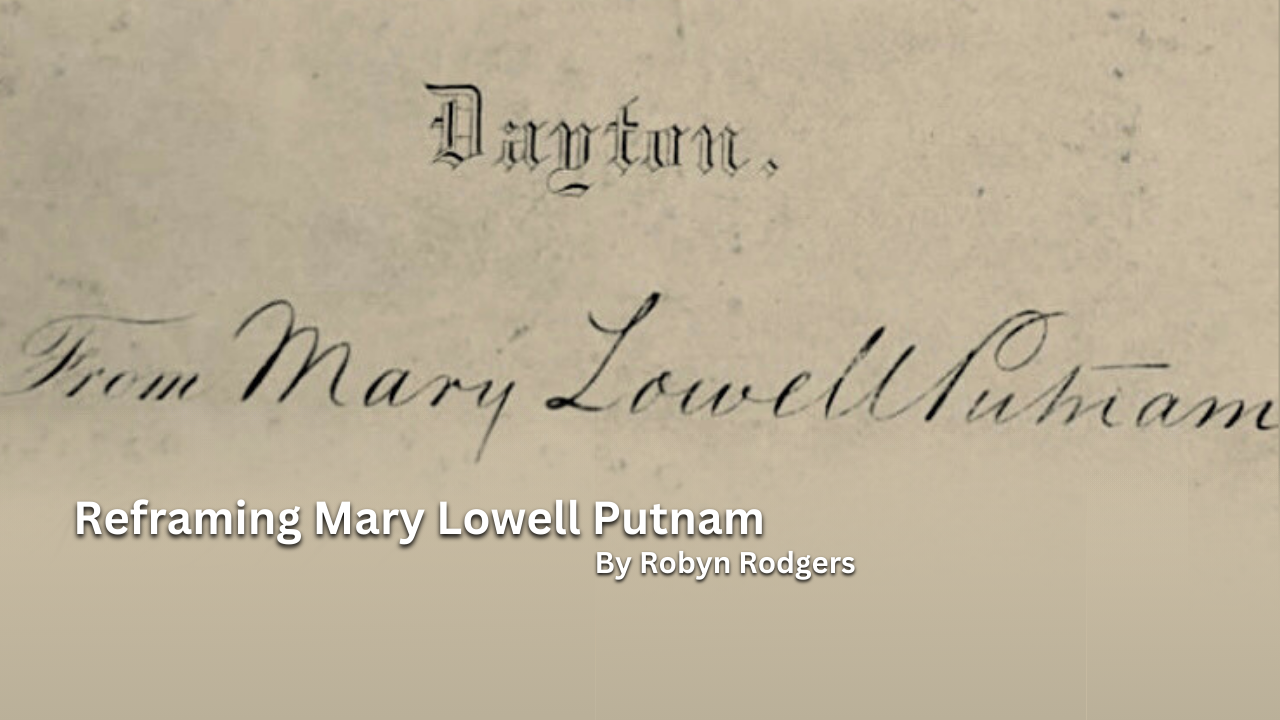
Mary Lowell Putnam is tied to VA history by her generous donation of a large volume of books to the Central Branch of the National Home for Disabled Volunteer Soldiers. These books, meant to honor her son who died in the Civil War, helped foster reading advancement for the Veterans who lived there after the war and into the 20th Century. However, her life was more than just a moment in time donating books. It included a life-long study of languages and a very sharp opinion that she shared in writing throughout her life.
Exhibits
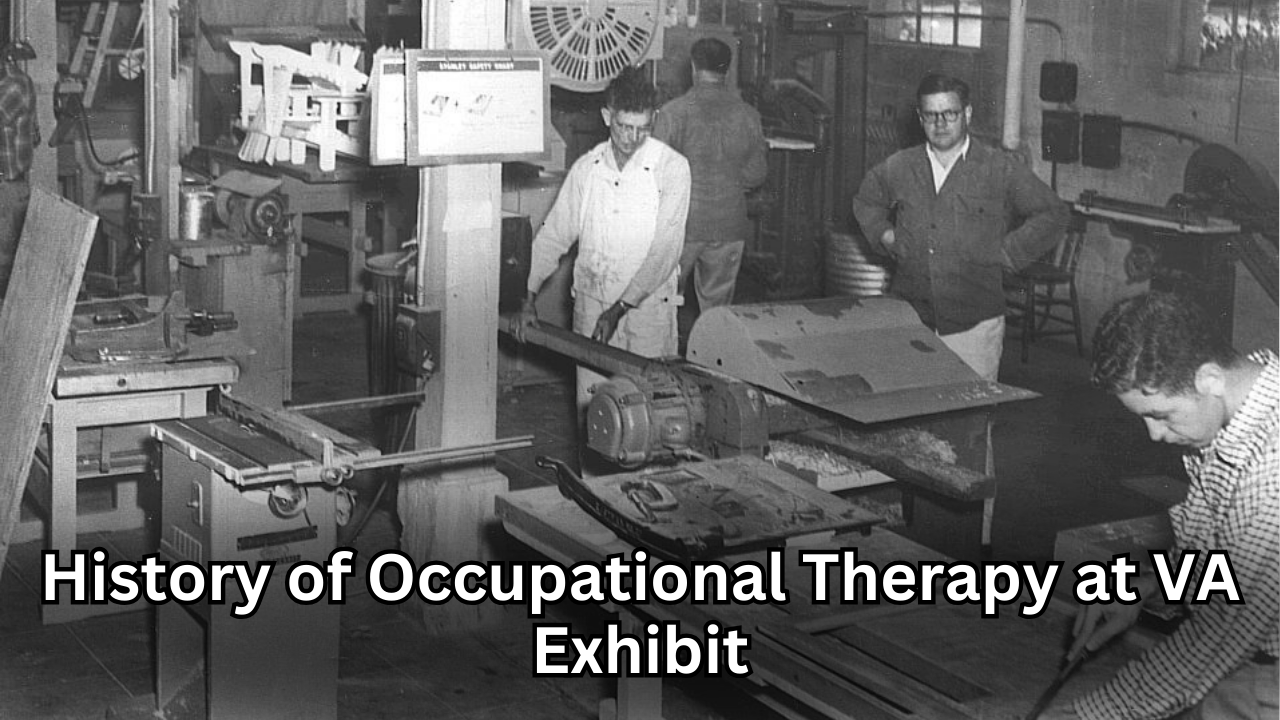
While Veterans engaged in activities and learned trades at the National Home for Disabled Volunteer Soldiers (NHDVS) since its inception after the Civil War, formal occupational therapy programs became components of rehabilitative care for Veterans beginning in the 20th century. This exhibit explores what type of activities were used to treat Veterans by showing items from the collection at the National VA History Center.
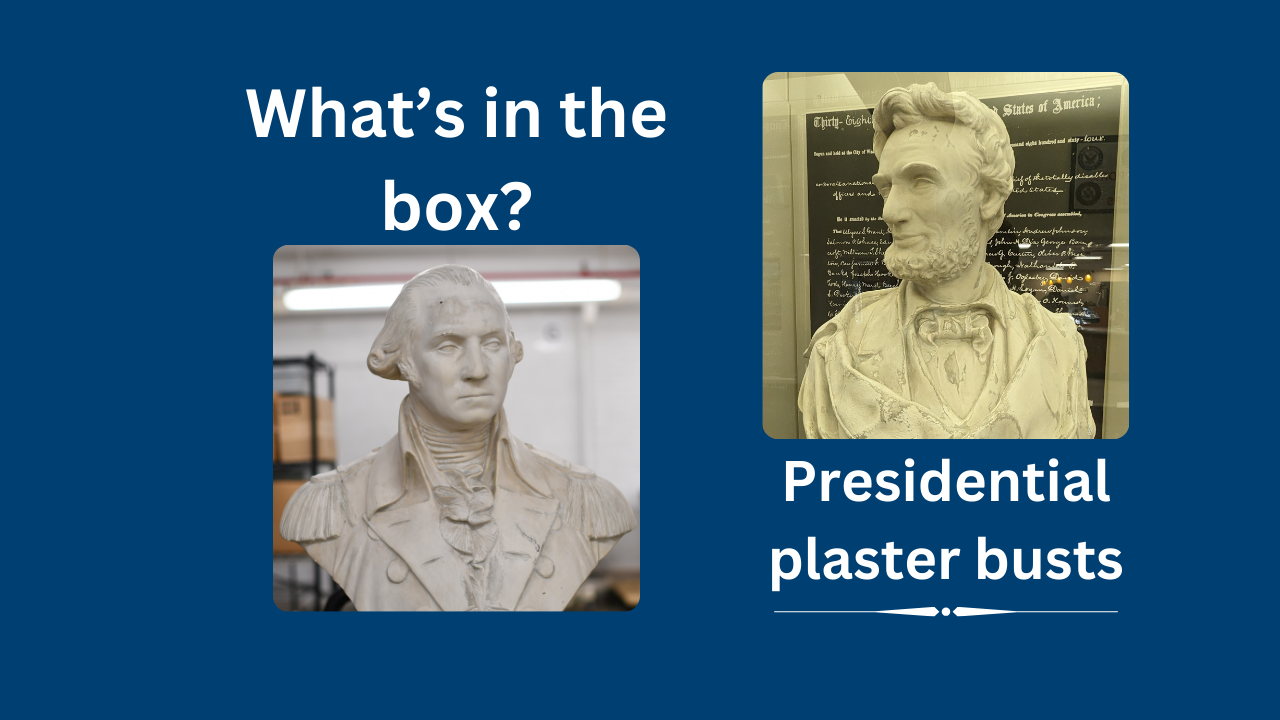
Curator Corner
Presidents George Washington and Abraham Lincoln are among the most easily recognizable figures in American history. Their faces are symbols of wisdom, strength, and leadership. Even today, polls consistently rank them as the greatest or most successful presidents. With that in mind, it is unsurprising that the appreciation of these legendary statesmen has deep historic roots. In honor of their birthdays, our team at the National VA History Center explored those roots through this pair of plaster busts.
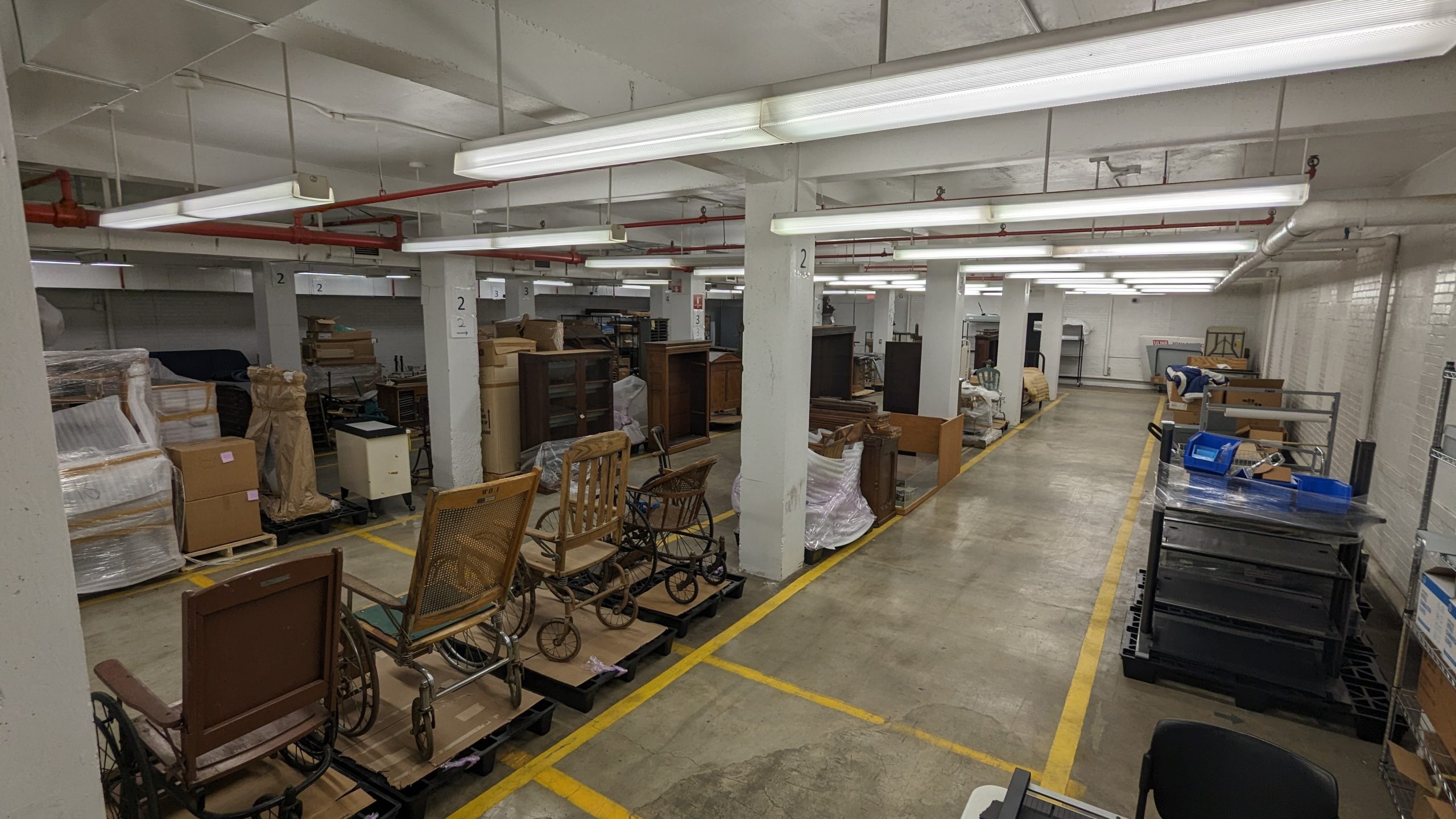
Curator Corner
After the flood from a burst pipe in the winter of 2023 damaged the temporary storage site for the National VA History Center collection and archives, the move to a new home was ramped up. Conducted earlier than expected, moving everything took massive amounts of coordination and elbow grease to get thousands of pounds of artifacts, equipment, and historical records to Building 126 on the Dayton, Ohio VA campus.
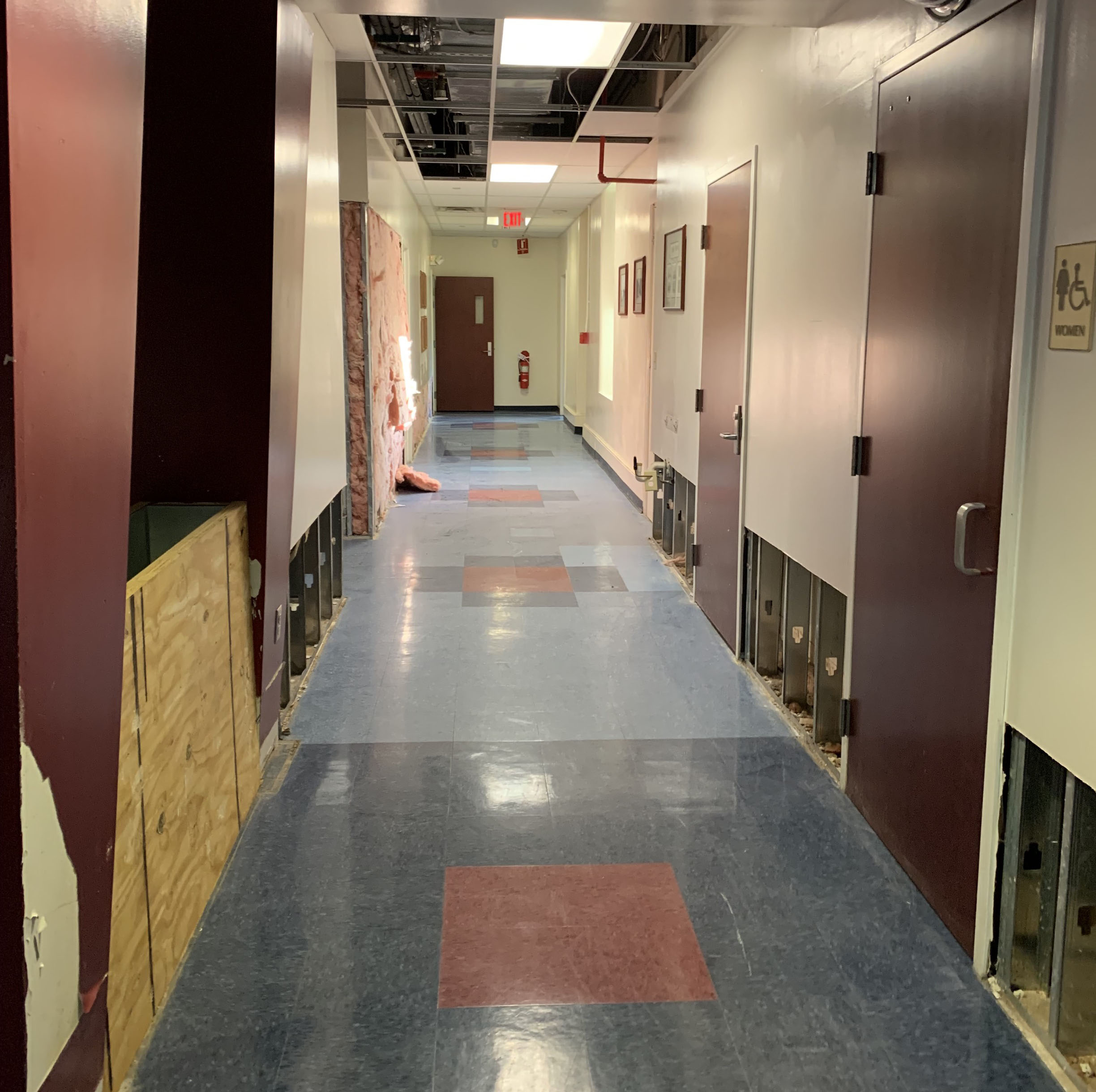
Curator Corner
What do you do when a water line bursts in a building holding hundreds of historic artifacts and thousands of archive materials? You react quickly. When cold weather hit Dayton, Ohio in 2022, the building holding the VA History collection suffered a burst water pipe which could endanger everything. Our National VA History team responded and enacted a plan with Dayton VAMC leadership on how to save the items that are critical to telling VA's Story.
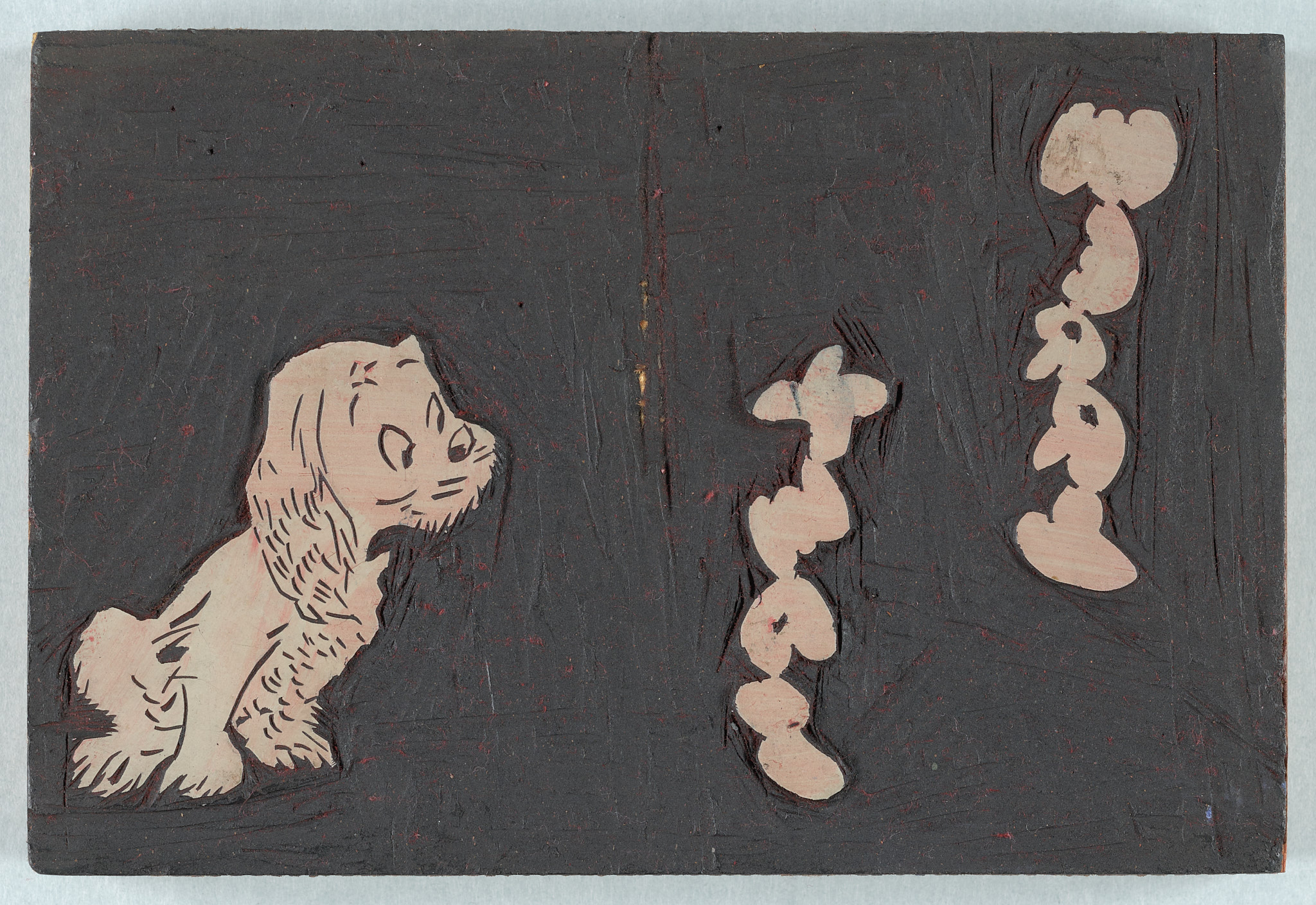
Curator Corner
What's in the box? - For this holiday and Christmas season, the curatorial staff at the National VA History Center found an item from the Mountain Home VA that involves a trade that is rarely used today: letterpress printing.
Phones and laptops make it easy to type and design cards that can be printed in mere moments. But in the past, printing a unique Christmas card, for example, would have required specialized training and skill to create a template. Which, is exactly what our staff at the NVAHC found in the latest box opened in the collection.
Happy Holidays!
Curator Corner
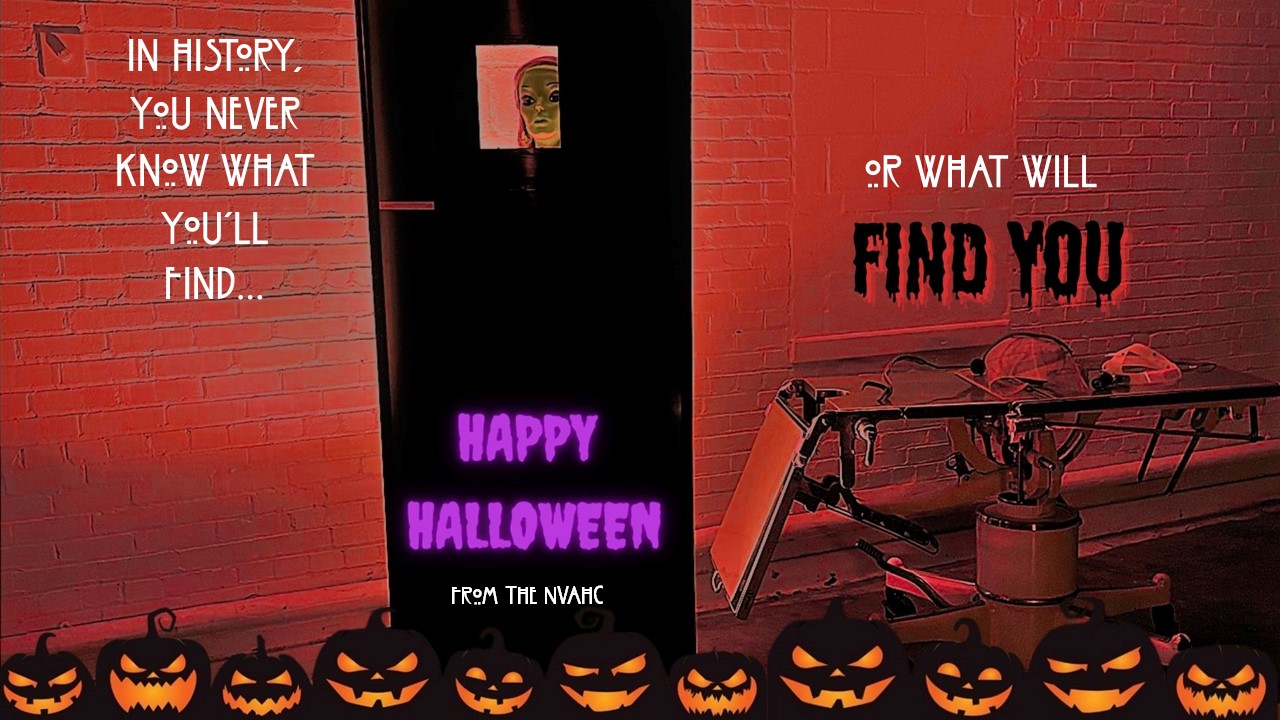
What's in the box? - In the first of many, our National VA History Center is on the search to discover unique collection items one box at a time. On a dark and stormy night (not really), deep in the confines of the quiet halls of the warehouse (actually in a well lit office), our curator staff opened a box to find a mysterious and lonely head, with no body. It was the Curse of the Mannequin Head!
Curator Corner
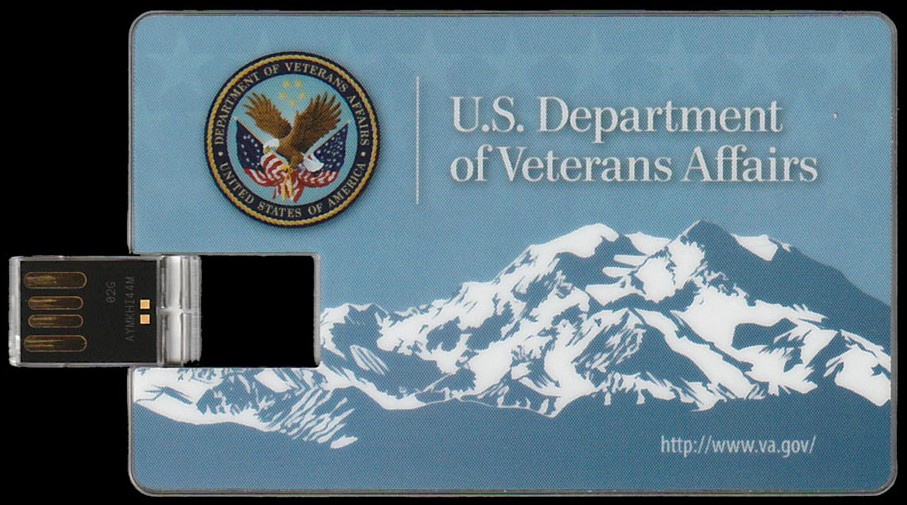
Curator Corner blog - A unique item in the National VA History Center collection, a USB flash drive that looks like a card. In an effort to get assistance to as many Veterans in Alaska, these cards were sent out with preloaded documents to help apply for benefits.
Curator Corner
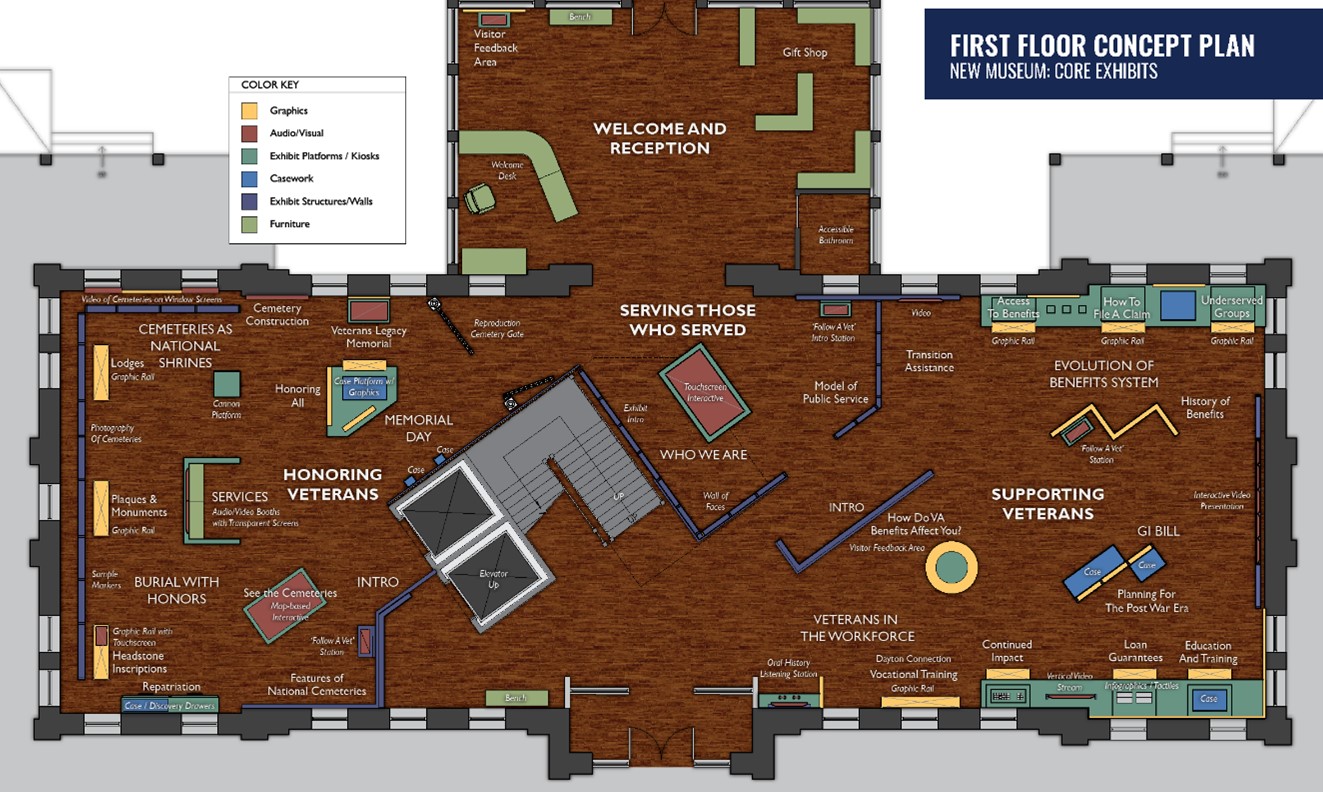
Curator Corner blog - The long and fulfilling process to create the critical planning document for the National VA History Center is done. The Interpretive Master Plan details the themes and stories that will be told within the future NVAHC.
Curator Corner
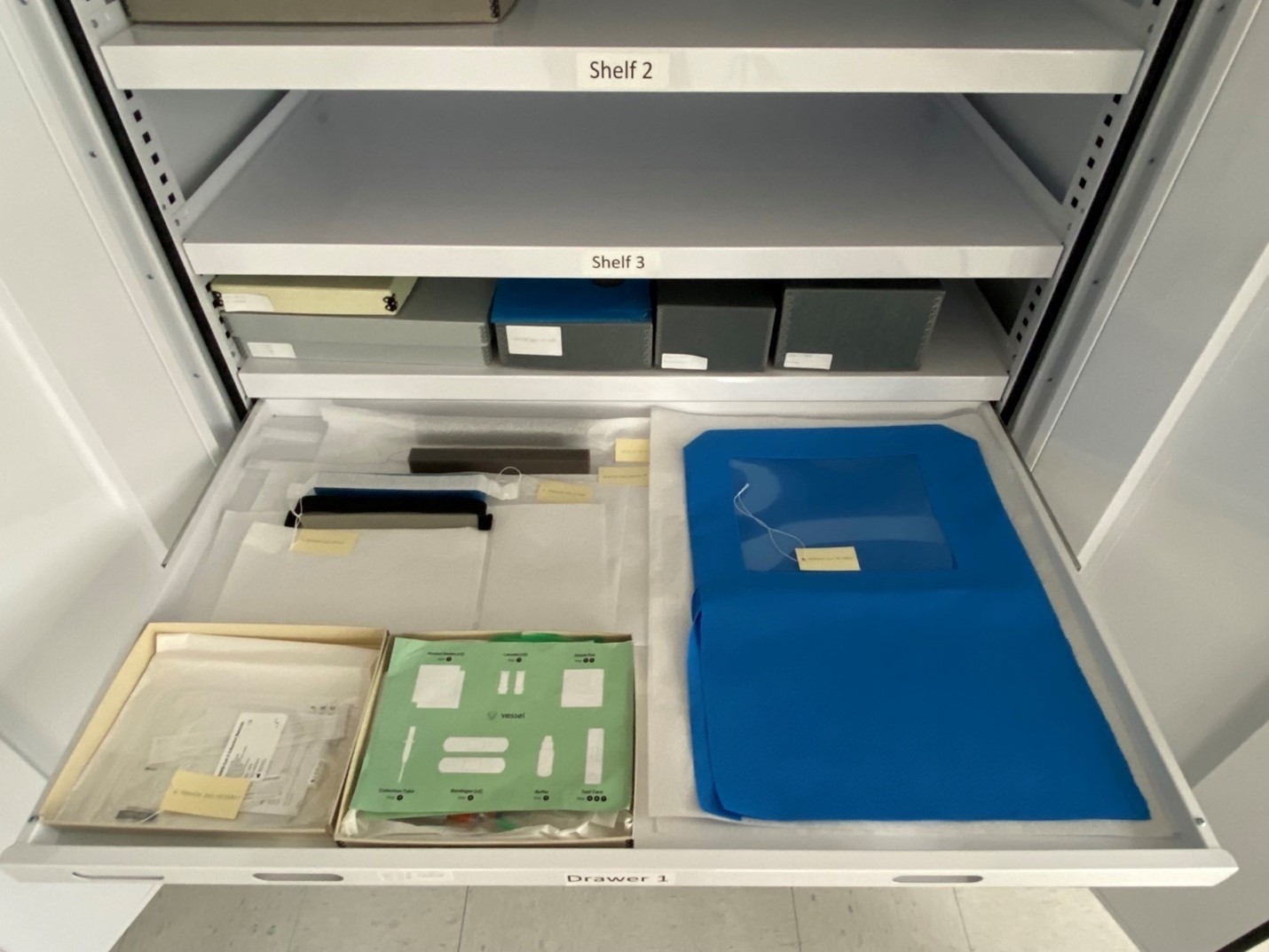
Curator Corner blog - The National VA History Center (NVAHC) is relatively new in tenure, but has already started bringing on interns as they embark on careers as history professionals.


Official websites use .gov
A .gov website belongs to an official government organization in the United States.

Secure .gov websites use HTTPS
A lock (
) or https:// means you’ve safely connected to the .gov website. Share sensitive information only on official, secure websites.
We’re here anytime, day or night - 24/7
If you are a Veteran in crisis or concerned about one, connect with our caring, qualified responders for confidential help. Many of them are Veterans themselves.
Get more resources at VeteransCrisisLine.net.