
History of VA and its administrations
What is the history of the Department of Veteran Affairs? The origin story of the modern VA includes several previous entities and names dating as far back as the American colonies. To help understand that legacy, this site serves as the centralized digital location for VA’s history with the focus of educating about the special relationship between the nation and its Veterans, including how that has impacted society. Here there are various stories and exhibits that examine the individuals, institutions and innovations of the last 250 years. There have been multiple agencies that have provided the service and benefits to America’s Veterans, including the Bureau of Pensions, National Home for Disabled Volunteer Soldiers, National Cemetery System, Bureau of War Risk Insurance, Veterans Bureau, and Veterans Administration, all of which are referenced on the preceding pages.
Eventually, VA’s story will be displayed to the public at the National VA History Center at the Dayton, Ohio VA campus. All information related to that effort will be found here as well.
This site is updated regularly, so check back often or sign up for our monthly newsletter in the sign up box below to have the latest stories in your inbox.
Latest History Posts

Curator Corner
The Veterans Curation Program at the National VA History Center
In June 2004, U.S. Army Corps of Engineers (USACE) archaeologist Dr. Michael “Sonny” Trimble led a team investigating nine separate mass graves in Iraq thought to contain victims of Saddam Hussein’s regime. Working closely with forensic experts and military personnel, Dr. Trimble’s crew recovered scientific evidence used to convict Hussein of crimes against humanity. Following the extreme recovery mission and conclusion of the trial, the experience inspired a program that has benefited hundreds of U.S. Veterans across the country.

Featured Stories
Veterans’ Horticultural Pursuits at the Dayton National Home for Disabled Volunteer Soldiers
Veterans living at the Dayton, Ohio, National Home for Disabled Volunteer Soldiers (NHDVS) played an integral role in beautifying the 578-acre campus. Veterans reaped benefits from working on the land including improved physical and mental health, social cohesion, and occupational skills. Most importantly, tending gardens provided Veterans with a sense of purpose and pride for enhancing their facility’s appearance.

Exhibits and Story Maps
A Journey Through the Life and Military Service of Leroy “Ian” Brandon
As part of the Veterans Legacy Program, the Department of Veterans Affairs encourages students and educators to research and share the stories of Veterans interred in national, state, and overseas Veteran cemeteries. Leroy "Ian" Brandon served in the United States Marine Corps during World War I. Follow his journey and discover his story through this interactive Story Map.

History in Depth
A Cultural Geography of the VA Built Environment
“A Cultural Geography of the VA Built Environment” is an interpretive piece intended for all audiences that examines how veterans and federal care for them have shaped VA buildings, structures, and landscapes. It traces the design of VA medical campuses and national cemeteries over time, focusing on the relationship between culture and place from the aftermath of the Civil War to the Post World War II-era. The study focuses on the VA built environment—places and spaces created or modified by people—and how this reflects the standards of veteran care, and how veterans interacted and shaped these facilities.

History in Depth
History and Origins of VA’s Domiciliary Care Program
This National Home for Disabled Volunteer Soldiers (NHDVS) report highlight Domiciliary, VA’s oldest program. On March 3, 1865, the day before his second inauguration, President Lincoln signed a law to establish a national military and naval asylum for sick and injured Union Veterans who had served in the Civil War. The NHDVS established by this legislation, later known as VA Homes, then Domiciliaries, was the first major Federal program to provide hospitals, medical, and rehabilitative services exclusively to America’s Veterans, until Congress passed legislation at the time of World War I to establish hospitals for returning Veterans under the Bureau of War Risk Insurance.

Featured Stories
The 3rd Massachusetts Cavalry Monument in the Year of the Fire Horse
In the southwest quadrant of Winchester National Cemetery, located in the town of the same name in Virginia, sits an impressive monument to the 3rd Massachusetts Cavalry that pays tribute to both man and beast. The monument is adorned with a bas-relief of a horse’s head, wild-eyed and straining at its bridle. As February 2026 marked the start of the Lunar New Year and the Year of the Horse, this is an opportune time to explore the history of the regiment and its monument. According to Chinese astrology, the horse is hard-working, agreeable, and courageous, although it also chafes at being controlled by others, something the men of the 3rd Massachusetts Cavalry experienced firsthand. Stated one soldier, “The taming of wild animals was something I did not dream of when I enlisted in '62.”
National VA History Center
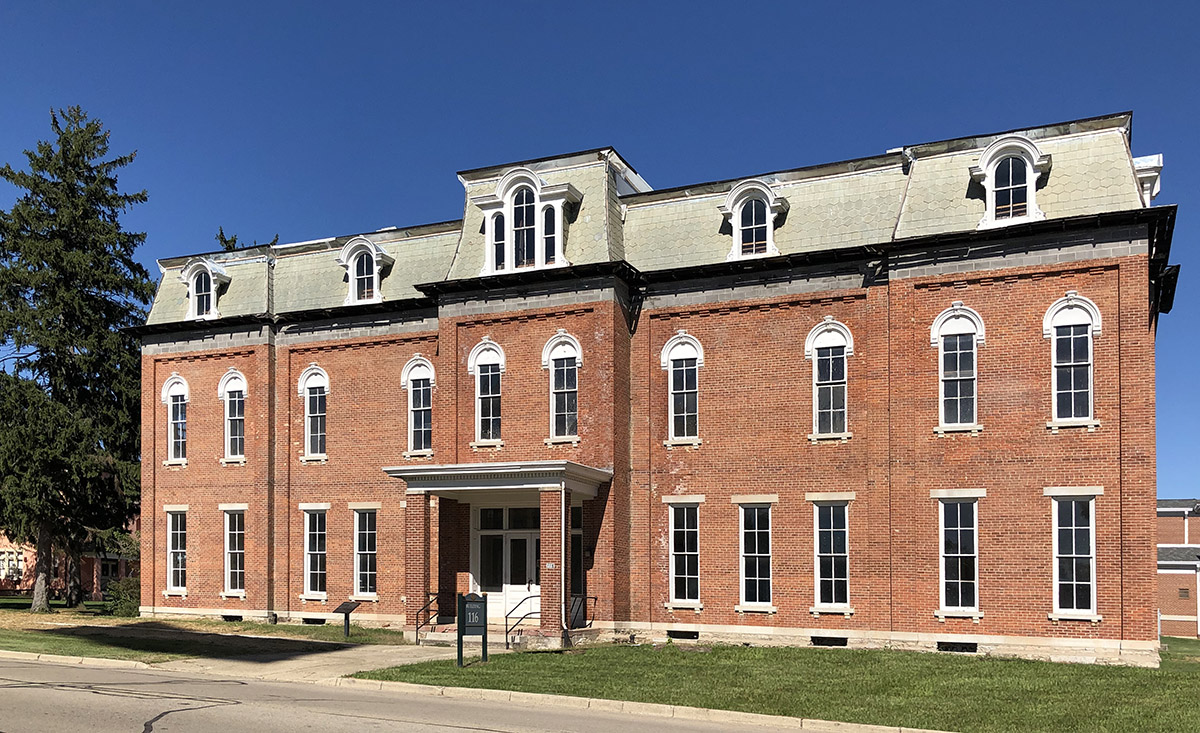
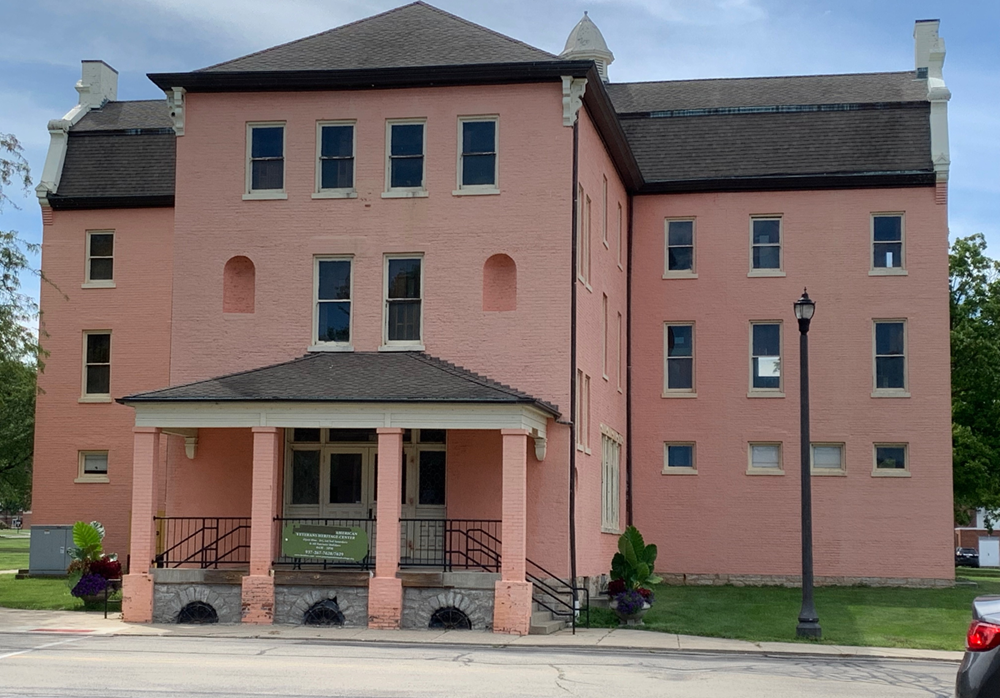
The National VA History Center is the forthcoming museum and archival center for the historical collection and records pertaining to the Department of Veterans Affairs and its legacy agencies. It is located at the Dayton VA Medical Center campus, itself a designated National Historic Landmark. While the idea of the history center is not new, recent actions to make it a reality are. Ceremonies marking its official establishment – and the start of renovation work on two historic buildings to house the collection – were held in August 2020. The public opening of the facility isn’t expected for several years, but great work is ongoing behind the scenes. Look for monthly updates in the Curator Corner, illustrating the multi-faceted steps that go into establishing a museum and its collection as well as the archives with its growing amount of records from scratch. This will be the GO-TO home for the History Center.
Archives and Research
The National VA History Center has a growing Archives department that is spearheading the way to provide public access to historical documents related to the Department of Veterans Affairs and its predecessor organizations.
Researchers can access the Records Groups and Finding Aids pertaining to the Veterans Benefits Administration, Veterans Health Administration and the National Cemetery Administration on the NVAHC archives page.
History of VA in 100 Objects exhibit
The History of VA in 100 Objects spotlights the objects that illustrate how the nation has honored and cared for Veterans from 1776 to the present. Click on the link below to view all 100 entries or search by topic using the magnifying glass icon on this page. Take the journey through VA’s past, object by object.

History of VA in 100 Objects
Object 100: Iraq Burn Pit
After returning from Iraq with severe respiratory problems in 2008, Capt. Le Roy Torres and his wife founded Burn Pits 360 to raise awareness of the health hazards of burn pit emissions. Over a decade of persistent advocacy by Burn Pits 360 and other Veterans groups paid off with passage of the historic PACT Act in 2022.
History of VA in 100 Objects
Object 99: Bank Check from Manila Loyalty Room
After World War II, U.S. Army investigators in the Philippines turned over a huge collection of captured Japanese documents to the VA office in Manila. The Manila office stored the collection in the “Loyalty Room,” so named because VA used the records to evaluate the wartime allegiance of Filipino Veterans applying for benefits.


Featured Stories
Our Featured Stories section provides scholarly researched and written content on the people, places, events and innovations that illustrate VA’s remarkable evolution serving Veterans since the start of our nation. These are longer stories, with historical details on the rich lineage of VA and the significant moments in time.
Featured Stories
Veterans’ Horticultural Pursuits at the Dayton National Home for Disabled Volunteer Soldiers
Veterans living at the Dayton, Ohio, National Home for Disabled Volunteer Soldiers (NHDVS) played an integral role in beautifying the 578-acre campus. Veterans reaped benefits from working on the land including improved physical and mental health, social cohesion, and occupational skills. Most importantly, tending gardens provided Veterans with a sense of purpose and pride for enhancing their facility’s appearance.
Featured Stories
The 3rd Massachusetts Cavalry Monument in the Year of the Fire Horse
In the southwest quadrant of Winchester National Cemetery, located in the town of the same name in Virginia, sits an impressive monument to the 3rd Massachusetts Cavalry that pays tribute to both man and beast. The monument is adorned with a bas-relief of a horse’s head, wild-eyed and straining at its bridle. As February 2026 marked the start of the Lunar New Year and the Year of the Horse, this is an opportune time to explore the history of the regiment and its monument. According to Chinese astrology, the horse is hard-working, agreeable, and courageous, although it also chafes at being controlled by others, something the men of the 3rd Massachusetts Cavalry experienced firsthand. Stated one soldier, “The taming of wild animals was something I did not dream of when I enlisted in '62.”
Virtual Exhibits and Story Maps
A collection of virtual exhibits and story maps covering various historical aspects of VA, presented with focus on visual images that have been pulled from archives across the nation. Most use an exhibit-host to showcase specific topics with compelling pictures and research that go beyond stories and features.
Exhibits and Story Maps
A Journey Through the Life and Military Service of Leroy “Ian” Brandon
As part of the Veterans Legacy Program, the Department of Veterans Affairs encourages students and educators to research and share the stories of Veterans interred in national, state, and overseas Veteran cemeteries. Leroy "Ian" Brandon served in the United States Marine Corps during World War I. Follow his journey and discover his story through this interactive Story Map.
Exhibits and Story Maps
Honor Deferred: Mary Jean Sturdevant and the Women Airforce Service Pilots of World War II
Inspired by a visit from Charles Lindbergh to her hometown in 1927, Mary Jean Sturdevant learned how to fly in a civilian pilot program in the late 1930s. During World War II, she joined the Women Airforce Service Pilots (WASP), a group of highly trained female pilots that ferried newly manufactured aircraft to military installations and served as instructors for male pilots. During the war, the WASPs were considered contractors and were not recognized as Veterans until 1977. Sturdevant passed away in 2017 and is interred at Tahoma National Cemetery.

Curator Corner
While the National VA History Center continues progressing, get a peek inside the growing artifact collection and records archive that will one day be featured in various displays or be accessible and centralized for research. As part of our effort, the Curator Kurt Senn and Senior Archivist Robyn Rodgers will provide insight into the efforts behind the scenes to establish the future museum and archive center that will help show VA’s story. Some of our series include ‘What’s in the box?‘ that will highlight unique items that are literally found in boxes as the team opens them and ‘From the collection,’ which traces the history of items that are stored on site.
Curator Corner
The Veterans Curation Program at the National VA History Center
In June 2004, U.S. Army Corps of Engineers (USACE) archaeologist Dr. Michael “Sonny” Trimble led a team investigating nine separate mass graves in Iraq thought to contain victims of Saddam Hussein’s regime. Working closely with forensic experts and military personnel, Dr. Trimble’s crew recovered scientific evidence used to convict Hussein of crimes against humanity. Following the extreme recovery mission and conclusion of the trial, the experience inspired a program that has benefited hundreds of U.S. Veterans across the country.
Curator Corner
From the Curator: VAMP with the Assist
As Christmas approaches, we find ourselves thinking about the VA Museum Program (VAMP) and its role in assisting VA facilities by providing technical support to manage their historical collections. Recently, we've been involved in projects like the Tuskegee VA Medical Center's mini-museum renovation and preparations for the United States' 250th anniversary celebrations in 2026.