
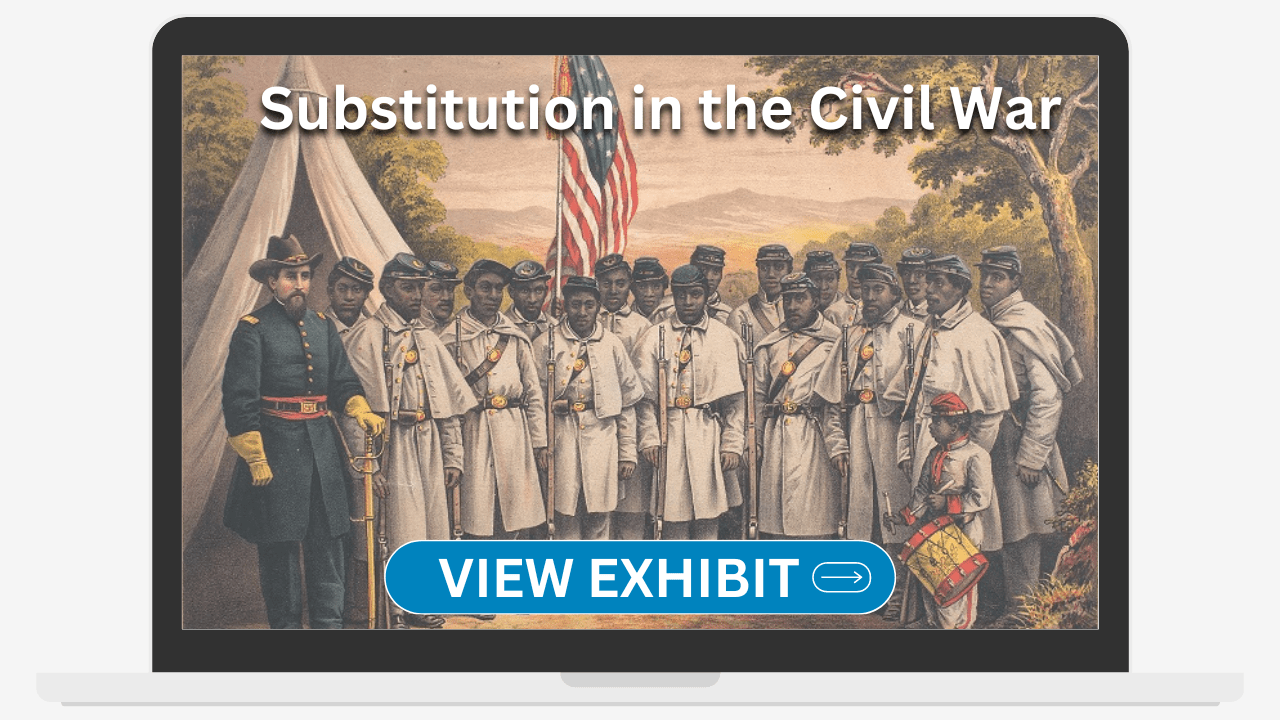
From Border States to National Cemeteries
When the U.S. had to increase enlistments to handle the burden of manpower demands for the battlefield, a draft was legislated in 1863. A provision was written in that gave a drafted person the choice to pay someone who was willing to serve in their place. This was called substitution.
In the exhibit above, follow the path that four Black Americans from the Border States took in the Civil War. Through examination of enlistment records and battle reports, the story of Privates Jacob Saunders, James Murray, Thomas Jones and Harrison Lockwood illustrates the controversial nature of the substitution provision. Regardless of how they enlisted, each man served their country and were buried in National Cemeteries.
By Jacob Klinger
National Cemetery Administration history intern and West Virginia University doctoral student
Share this story
Related Stories

Exhibits
In 2024, the National Disabled Veterans Winter Sports Clinic, hosted by the Grand Junction VA Medical Center and co-presented with Disabled American Veterans, will donate adaptive ski equipment from the early years of the event to the National VA History Center in Dayton, Ohio. The clinic started in 1986 when VA established it and then held the the inaugural event at Powderhorn the following year. The clinic welcomed approximately 90 Veterans from 27 states, bolstered by a volunteer staff of about 20. Despite skepticism from many health professionals of the era, the clinic underscored the importance of physical activity for persons of all abilities.
This exhibit includes multiple items that were used at the early clinics, which are finding a new home at the National VA History Center.
Exhibits
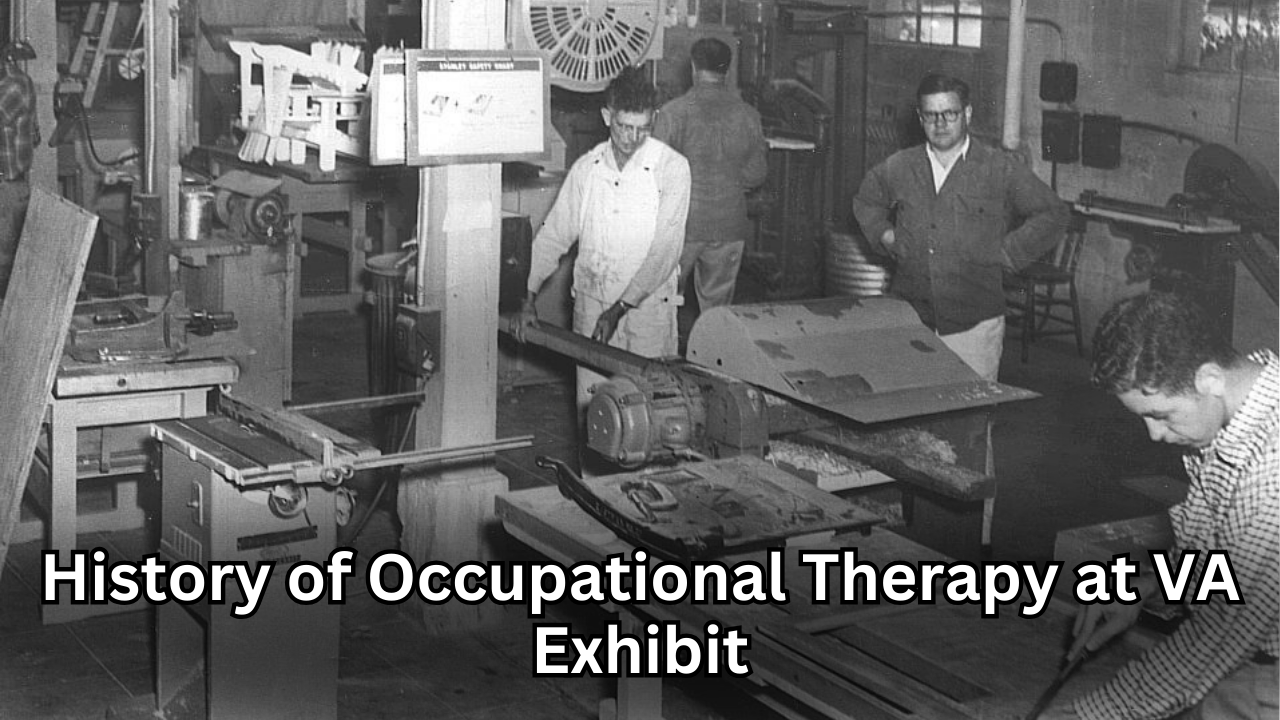
While Veterans engaged in activities and learned trades at the National Home for Disabled Volunteer Soldiers (NHDVS) since its inception after the Civil War, formal occupational therapy programs became components of rehabilitative care for Veterans beginning in the 20th century. This exhibit explores what type of activities were used to treat Veterans by showing items from the collection at the National VA History Center.
Exhibits
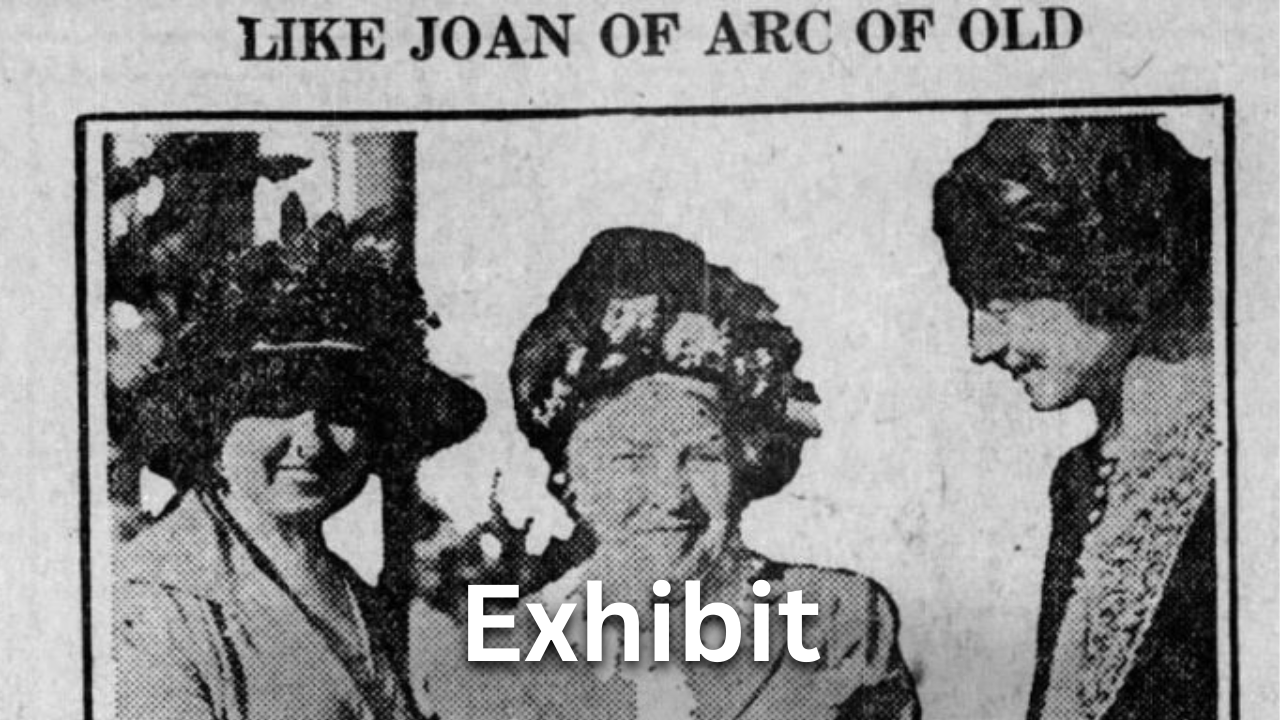
VA History Exhibit - While women have served in nearly all of America’s wars, some only achieved the right to Government-provided health care after World War One. This exhibit examines how women Veterans obtained admittance to the National Home for Disabled Volunteer Soldiers 100 years ago in 1923, and profiles what care looked like for these first women patients.