
This story is part of our series celebrating America’s 250th anniversary. Find more captivating stories from the VA History Office at America 250 and subscribe to our weekly newsletter.
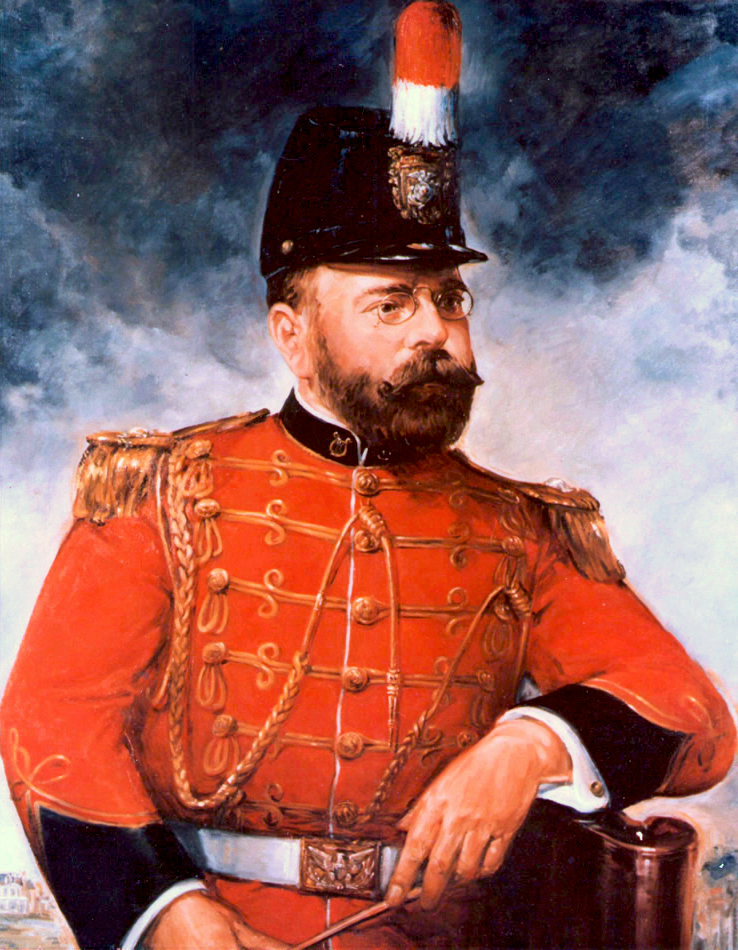
U.S. Marine Corps Veteran John Philip Sousa was crossing the Atlantic on an ocean liner on Christmas Day 1896 when the tune for “Stars and Stripes Forever” popped into his head. Within months, Sousa had composed what would become the defining song for the American flag and patriotism, a testament to how Veterans love their nation and think of home during the holidays.
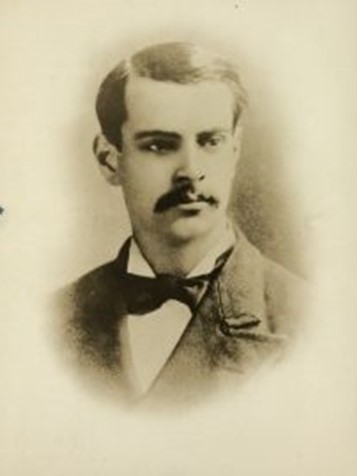
Born on November 6, 1854 near the Marine Corps Barracks in Washington, DC, Sousa was destined to become a musician and a member of the Marines. His father, Antonio Sousa, was a musician with “The President’s Own” Marine Band stationed in the nation’s capital. John Sousa spent most of his formative years studying piano, orchestra, violin, and music theory under the famed music instructor John Esputa, Jr. Antonio enlisted his son as an apprentice musician in the Marine Band at the age of thirteen, and he remained in that service until the age of twenty. During those seven years, Sousa learned more about music theory and leading an orchestra from George Felix Benkert, leader of the Marine Band.
After completing his service, Sousa worked in Washington and Philadelphia as a musician and composer. He grew in fame and popularity across the nation and, while on tour, he was invited to lead the Marine Band he had once been a part of as a teenager. On October 1, 1880, he reported for duty as the 17th band leader for the Marine Band, a position he held for the next 12 years.
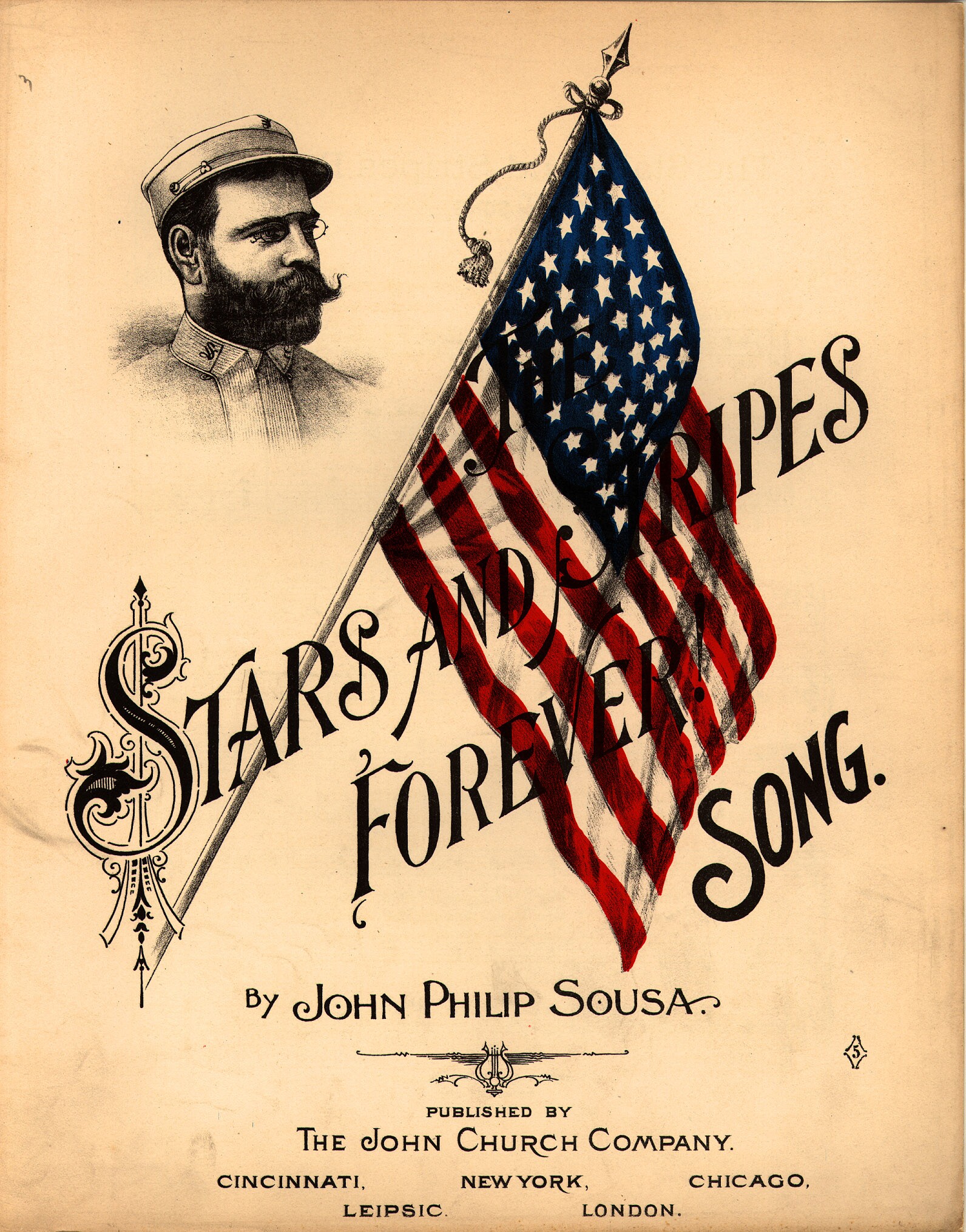
Sousa served under five presidents during his tenure. In that time, he professionalized the band and grew its popularity through multiple tours and original works. One of the most famous songs he wrote was “Semper Fidelis,” dedicated to the officers and men of the U.S. Marine Corps.
The song was written in response to a request from President Chester A. Arthur. He wanted the Marine Corps to have a song for the men who served instead of marching to one that was dedicated to the president, as they had done for nearly a century. Sousa’s march song quickly grew in popularity and it was eventually adopted as the official march song of the Marine Corps, a position it still holds over 150 years later.
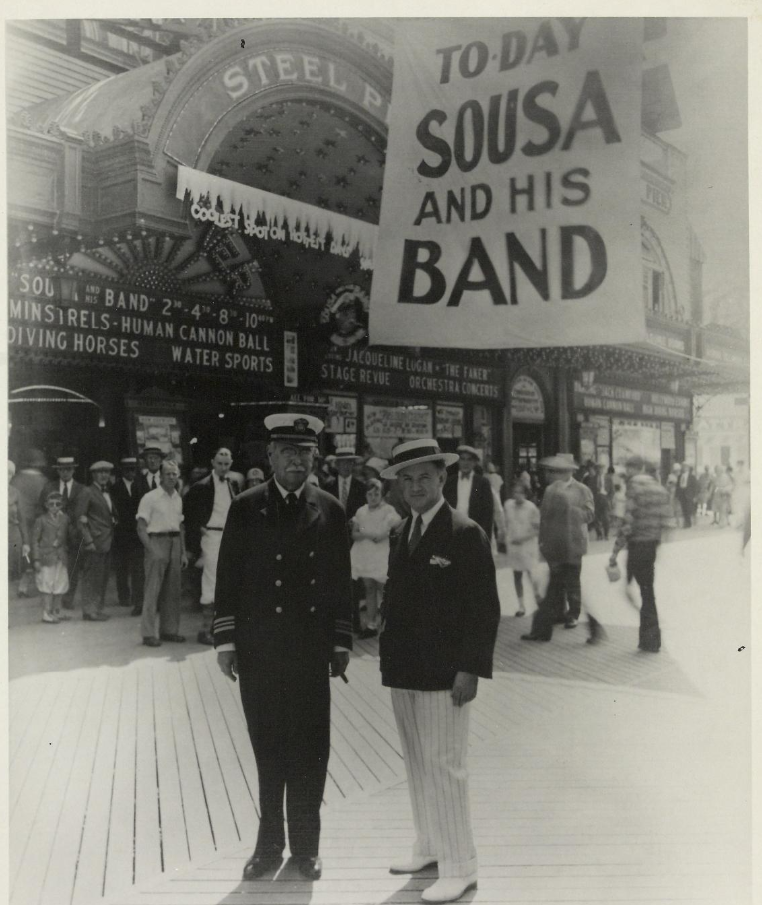
Sousa continued composing after leaving the Marine Corps for a second time. It was during that 1896 voyage across the Atlantic that he thought of home and a song he could dedicate to the nation he had served since the age of thirteen.
The tune for “Stars and Stripes Forever” came to him on Christmas Day. He did not have the time to orchestrate the entire song as he was returning home from a vacation after learning of the death of his friend and band manager, David Blakely. However, he spent months writing what he could, finalizing every note in his new work. In late April 1897, Sousa finished composing the masterpiece that would become the defining march song of the nation.
“Stars and Stripes Forever” was a song dedicated to America, written on the heels of his own great personal loss. Sousa played it at each of his tour stops for nearly 25 years. The holiday season remained an important part of the tour cycle, as that was when the inspiration for the song came to him. After Sousa retired, other bands continued the tradition of playing the song as a tribute to the nation. Eventually, the military adopted the march song as well. On December 11, 1987, the song was officially designated the march song of the United States of America. The White House declared it “an integral part of the celebration of American life.”
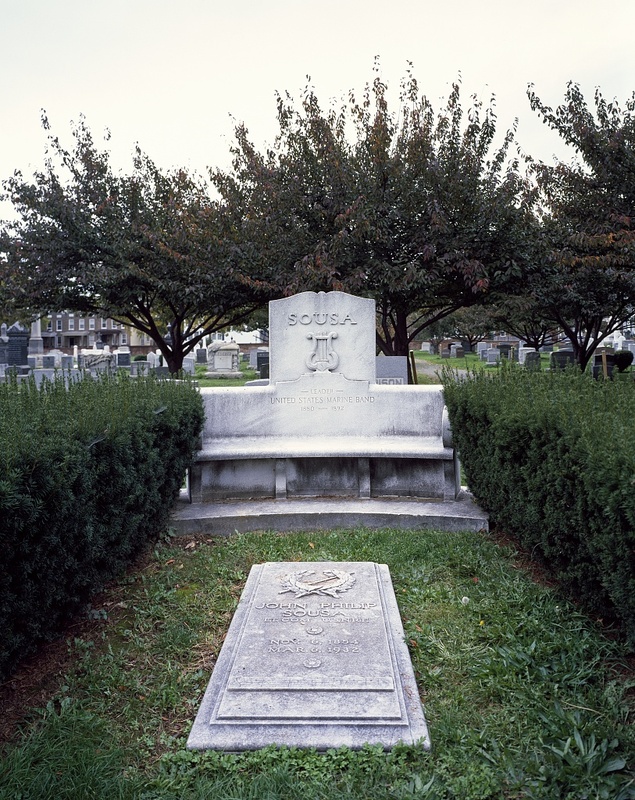
By the time of his death in 1932, Sousa was the unabashed “March King” of the United States. He composed over 100 march songs, 15 operettas, and 70 separate compositions. He performed for many presidents and dignitaries and toured the world with multiple bands, including one he organized himself. His career and musical contributions were so important to the nation that he was buried in the Congressional Cemetery located in Washington, DC. His life is demonstrative of the great love he felt for his country and the pride he took in his service. As Sousa’s refrain makes clear, “Hurrah for the flag of the free. May it wave as our standard forever.”
Share this story
Related Stories

Featured Stories
From Double Agent to Veteran Advocate: The Remarkable Journey of Caleb Bruen
In 1959, Revolutionary War soldier Caleb Bruen was lying at rest in the cemetery of the First Presbyterian Church (also known as the Old Presbyterian Church) in Newark, New Jersey. However, his resting place was facing a disturbance. According to reporting at that time by Nat Brandt in Newark’s Star-Ledger newspaper, church leadership was planning to convert the historic Broad Street cemetery into a parking lot, and reinter those resting there in a new mass plot.
Featured Stories
Veterans’ Horticultural Pursuits at the Dayton National Home for Disabled Volunteer Soldiers
Veterans living at the Dayton, Ohio, National Home for Disabled Volunteer Soldiers (NHDVS) played an integral role in beautifying the 578-acre campus. Veterans reaped benefits from working on the land including improved physical and mental health, social cohesion, and occupational skills. Most importantly, tending gardens provided Veterans with a sense of purpose and pride for enhancing their facility’s appearance.
Featured Stories
The 3rd Massachusetts Cavalry Monument in the Year of the Fire Horse
In the southwest quadrant of Winchester National Cemetery, located in the town of the same name in Virginia, sits an impressive monument to the 3rd Massachusetts Cavalry that pays tribute to both man and beast. The monument is adorned with a bas-relief of a horse’s head, wild-eyed and straining at its bridle. As February 2026 marked the start of the Lunar New Year and the Year of the Horse, this is an opportune time to explore the history of the regiment and its monument. According to Chinese astrology, the horse is hard-working, agreeable, and courageous, although it also chafes at being controlled by others, something the men of the 3rd Massachusetts Cavalry experienced firsthand. Stated one soldier, “The taming of wild animals was something I did not dream of when I enlisted in '62.”