
As a historian, connecting the present day with past events is a process fundamental to the profession. Researchers typically rely on information contained in archives and databases, but I would argue that sometimes the most relevant details are provided by people. This was the case as I attempted to ascertain details surrounding the life and career of Dr. Ivy Brooks, former director of radiology at Tuskegee VA Hospital (TVAH).
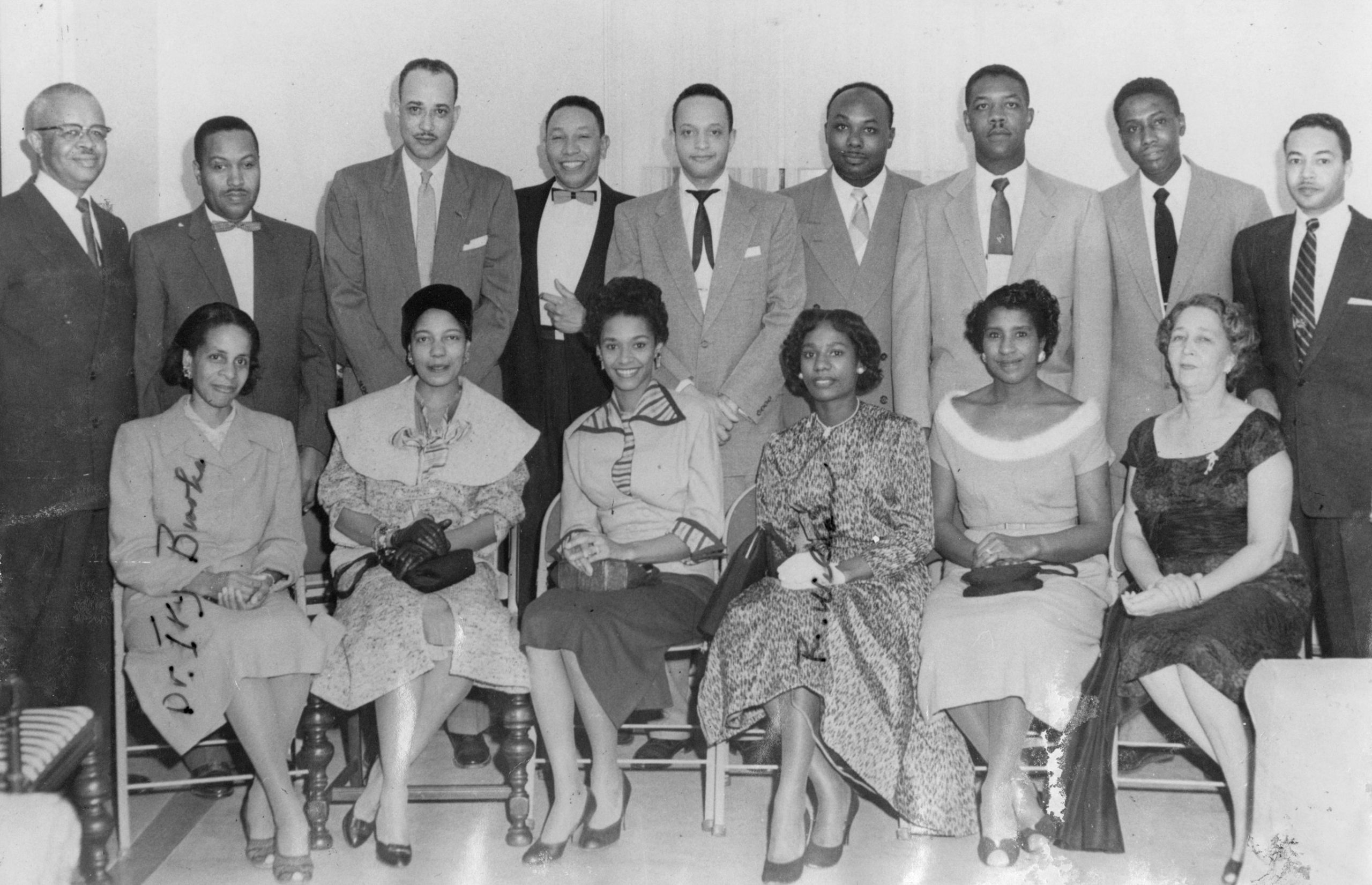
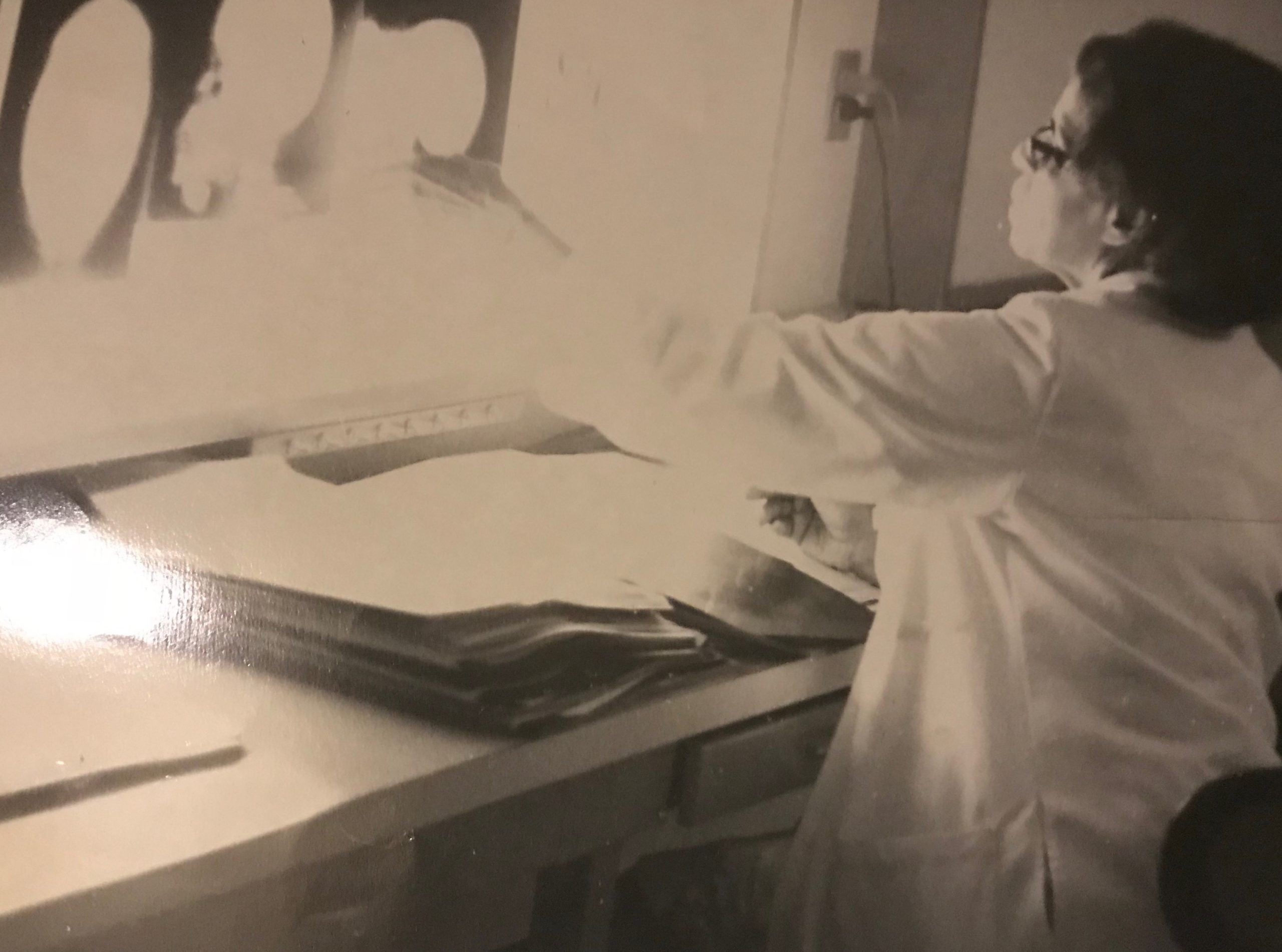
In December 2023, I was employed as the first historian by the Central Alabama Veterans Health Care System. My initial focus was organizing thousands of photos mostly devoid of names, dates, and events. I was particularly intrigued by the number of Black female physicians working at TVAH in the 1950s. When I discovered a group photo with “Dr. Ivy Brooks” written vertically on her image, I conducted a deep dive to uncover details of her life.
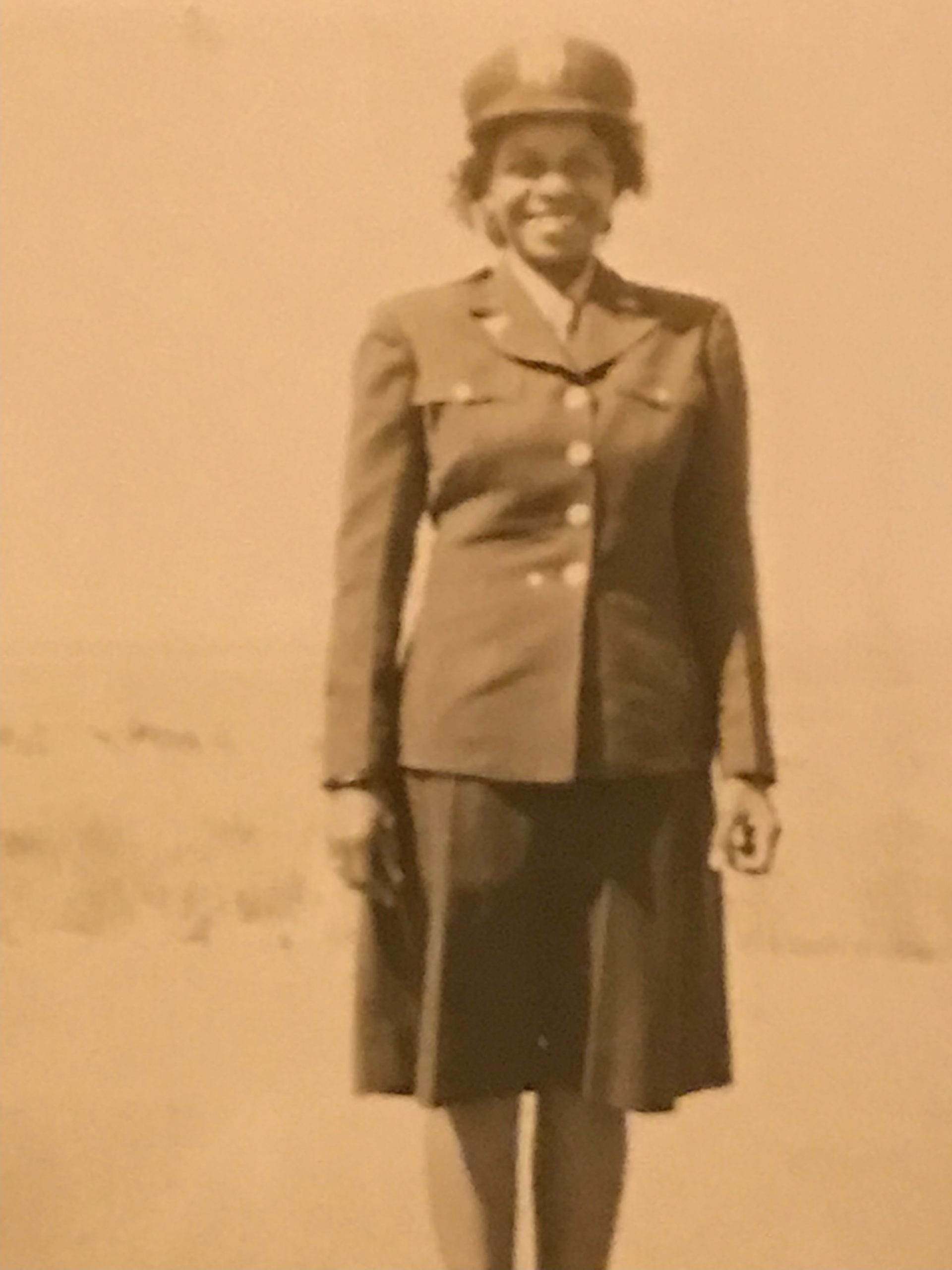
A LinkedIn article authored by Brooks’ niece, Pamela Roach, explained how Brooks served in the Army during World War II, and then used the G.I. Bill to study medicine at Meharry Medical College in Nashville, Tennessee. I wrote to and received Brooks’ military and academic records from the National Archives and Records in St. Louis, Missouri, and Meharry Medical College Library, respectively. A visit to the Alabama State Archives turned up more details, but the best information was furnished by a local historian – Guy Trammell – who resided in the same neighborhood as the Brooks family. Trammell shared anecdotes about growing up in Tuskegee in the 1960s and 1970s, and most importantly, provided me with the names of Dr. Brooks’ husband and children: Albert, Beth, Chris, and Steven. Both Albert and Beth had passed, but Trammell believed the brothers lived in Atlanta, Georgia.
It took some time and effort to connect but my first conversation with Chris, who does live in Atlanta, lasted over an hour as he conveyed information about his parents, grandparents, and siblings. Both Dr. Brooks and her husband, Albert, worked at the TVAH, but to a young Chris, his mother was just that: a mother. She baked brownies, was a Boy Scout leader, and was active in the local chapter of Jack and Jill of America. The Brooks family frequently hosted students and took them on tours of Historically Black College and Universities including the Tuskegee Institute and Spellman College in Atlanta. I also spoke at length with Brooks’ younger son, Steven, who lives in Mississippi. As the family archivist, Steven generously provided me with photos of his mother.
Researching Dr. Brooks’ life, I shared particulars I had uncovered with her sons, at times revealing details unknown to them. Ivy Roach studied nutrition at Columbia University and then taught nutrition courses at Spellman College where she met her future husband. Albert Brooks, who lost his eyesight to a brain tumor at age eighteen, traveled with a friend cross country to California where his girlfriend was attending basic training. Albert proposed to Ivy, the couple married, and had a brief honeymoon during that visit. Afterwards, Brooks spent 1944-1946, working as a dietician at a German prisoner of war camp in Utah. Postwar, she returned to Alabama, where she taught dietary courses to nursing students at Tuskegee Institute.
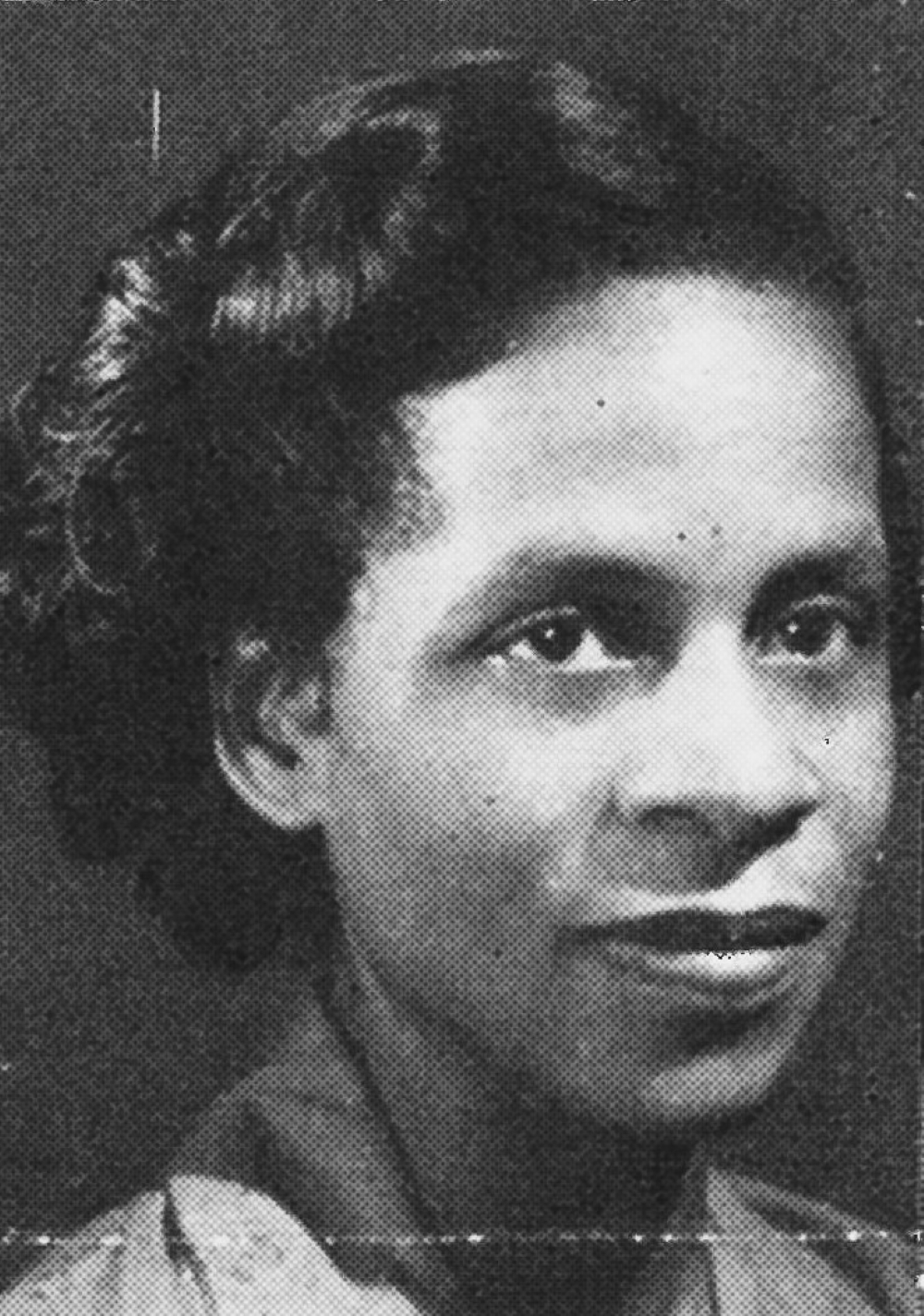
Brooks utilized the benefits of the G.I. Bill to further her education. In 1950, at age 30, Brooks entered Meharry Medical College six-months pregnant with her first child. Beth was born in December that year followed by Chris in 1952; nonetheless, Brooks graduated with her cohort in 1954 and welcomed a second son, Steven, in 1957. She completed an internship in radiology at TVAH and was sent to the Veterans Hospital in East Orange, New Jersey, and the Oak Ridge National Laboratory in Tennessee, for further training in radiology and nuclear medicine. Chris remembered he and Beth attending school at those locations. Brooks returned to TVAH and in 1966 she was named director of radiology, a position she held until her death in 1986. Albert Brooks also served Veterans at TVAH as a social worker.
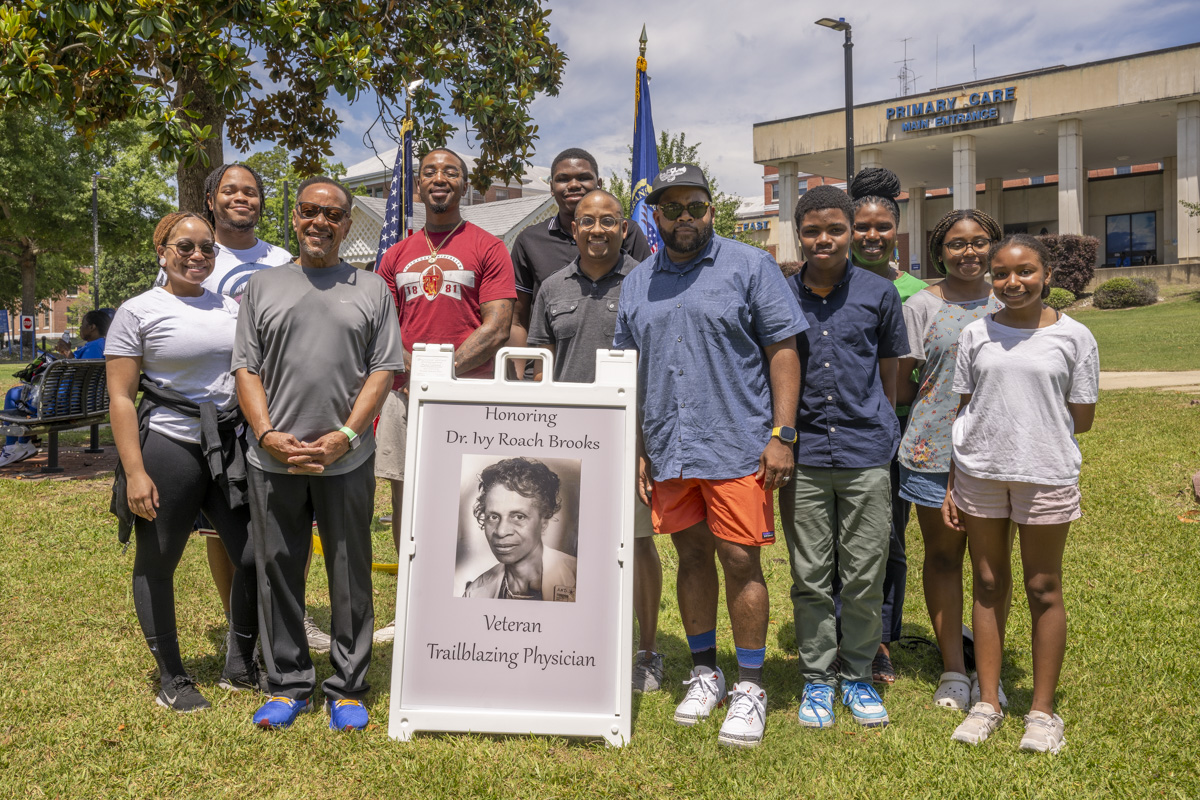
On June 12, 2024, TVAH conducted a One Hundred Women Walk and Roll to celebrate Women Veterans’ Day, honoring Dr. Ivy Roach Brooks’ legacy as a Veteran and trailblazing Black radiologist. Guest speaker and Veteran, Sandra Lucas, stated, “At a time when African Americans didn’t have a choice, didn’t have an opportunity, she made an opportunity. Dr. Brooks broke a ceiling that she didn’t even know existed.”
On that day, eleven of Brooks’ family members traveled from Atlanta to participate in the event honoring their matriarch. One grandson remarked, “We knew that she didn’t just have a big heart for us, but for others, also.” Those other people were the Veterans Brooks cared for throughout her career. As a historian, it was rewarding to bring together the Brooks family and women Veterans to celebrate both past and present Veterans, at the facility where Dr. Brooks excelled at her profession.
Share this story
Related Stories

Featured Stories
From Double Agent to Veteran Advocate: The Remarkable Journey of Caleb Bruen
In 1959, Revolutionary War soldier Caleb Bruen was lying at rest in the cemetery of the First Presbyterian Church (also known as the Old Presbyterian Church) in Newark, New Jersey. However, his resting place was facing a disturbance. According to reporting at that time by Nat Brandt in Newark’s Star-Ledger newspaper, church leadership was planning to convert the historic Broad Street cemetery into a parking lot, and reinter those resting there in a new mass plot.
Featured Stories
Veterans’ Horticultural Pursuits at the Dayton National Home for Disabled Volunteer Soldiers
Veterans living at the Dayton, Ohio, National Home for Disabled Volunteer Soldiers (NHDVS) played an integral role in beautifying the 578-acre campus. Veterans reaped benefits from working on the land including improved physical and mental health, social cohesion, and occupational skills. Most importantly, tending gardens provided Veterans with a sense of purpose and pride for enhancing their facility’s appearance.
Featured Stories
The 3rd Massachusetts Cavalry Monument in the Year of the Fire Horse
In the southwest quadrant of Winchester National Cemetery, located in the town of the same name in Virginia, sits an impressive monument to the 3rd Massachusetts Cavalry that pays tribute to both man and beast. The monument is adorned with a bas-relief of a horse’s head, wild-eyed and straining at its bridle. As February 2026 marked the start of the Lunar New Year and the Year of the Horse, this is an opportune time to explore the history of the regiment and its monument. According to Chinese astrology, the horse is hard-working, agreeable, and courageous, although it also chafes at being controlled by others, something the men of the 3rd Massachusetts Cavalry experienced firsthand. Stated one soldier, “The taming of wild animals was something I did not dream of when I enlisted in '62.”