
Native Americans have served the United States with honor, loyalty, and bravery since the Revolutionary War. Despite facing discrimination, many Native American Veterans volunteered for service throughout the centuries, making significant contributions on the battlefield. Some saw it as fighting not only to protect the United States, but also their ancestral land. For their sacrifice, the VA hospital in Muskogee has led the charge in providing exceptional care for Native American Veterans for 100 years.
Upon returning home, these Veterans encountered various difficulties due to their non-citizen status, including denial of Veterans benefits, limited access to healthcare, and inadequate support systems outside of their Tribal communities. Addressing these challenges, the Veterans hospital in Muskogee emerged as a beacon of hope. The hospital, now known as Jack C. Montgomery VA Medical Center played a pivotal role in providing essential healthcare and support for Native American veterans after World War 1, offering a space where they could heal, both physically and emotionally.
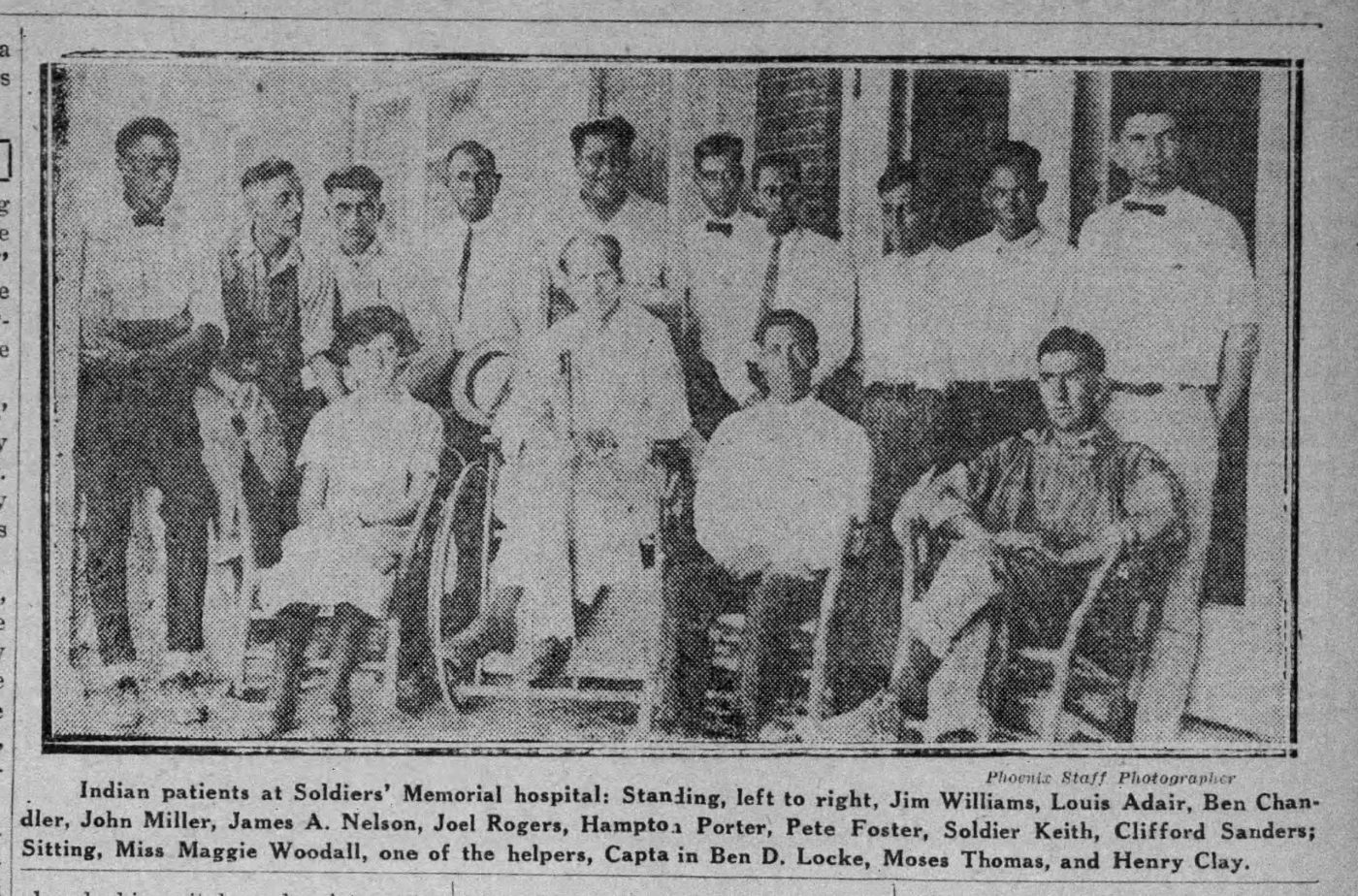
The population of Native American World War I Veterans at the small hospital reported exemplary treatment that aligned with their customs and traditions. At the Muskogee campus, these Veterans found solace, treatment, and camaraderie, a rarity for Native Americans in Veteran hospitals of the day. When other facilities saw high rates of runaway patients, the hospital on the hill at Muskogee bucked the trend.
One reported anecdote was of a soldier, Black Fox, who was so displeased with the Veterans hospital where he was being treated in Texas that he ran away and made a month’s long journey on foot to the Muskogee hospital. Some attribute the Veteran’s contentment here with how hospital leadership took steps to understand their customs while others believe it was the land itself that resonated with these soldiers.
Native Americans were not extended citizenship rights until 1924 but Muskogee’s commitment to its Native American Veterans is in its DNA. The land, purchased from the Muscogee Creek Nation in 1909, was selected by the state as the site for the Veterans hospital. The relationship with the Five Civilized Tribes Museum (old Indian Agency Building) next door has lasted decades.
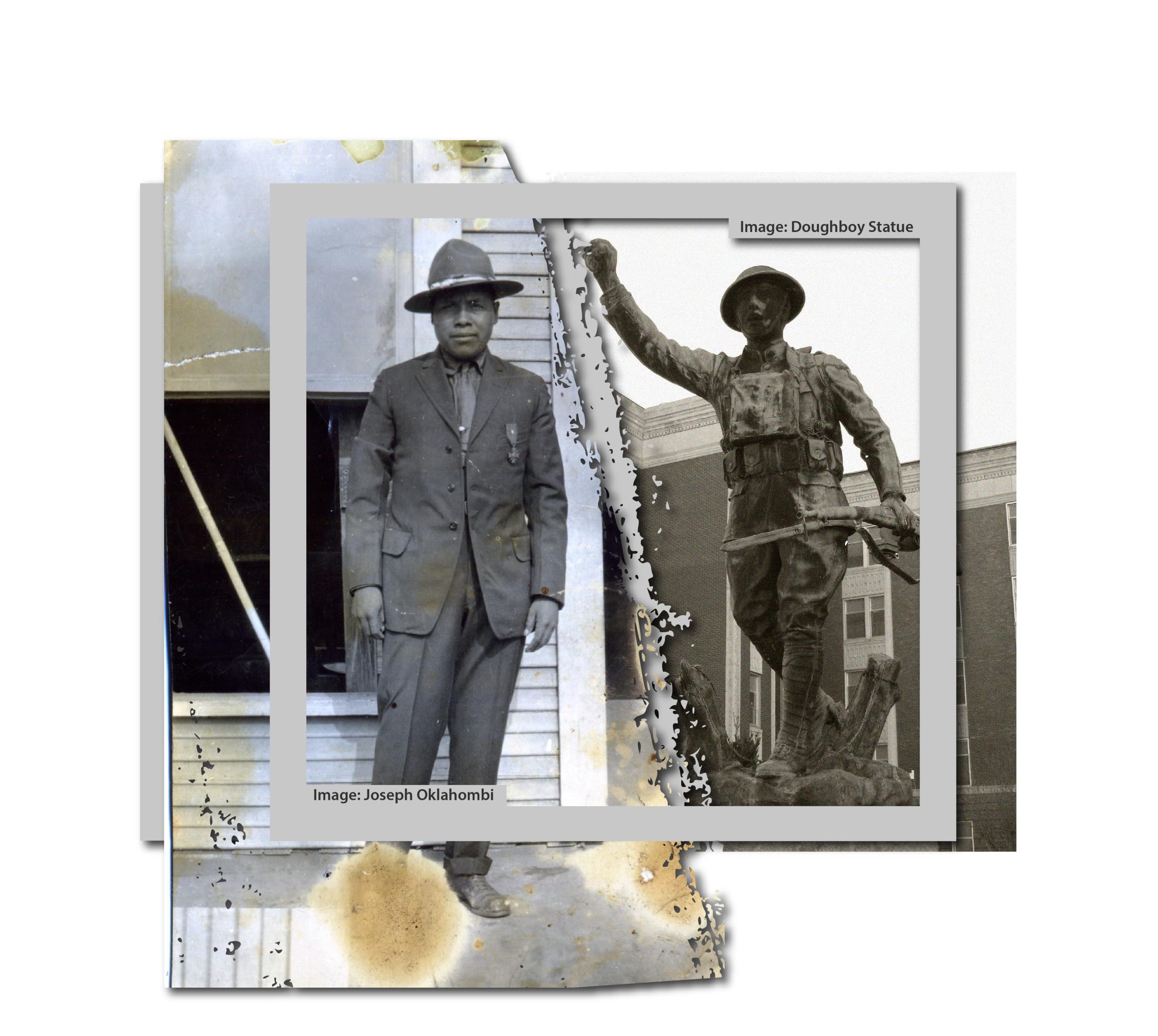
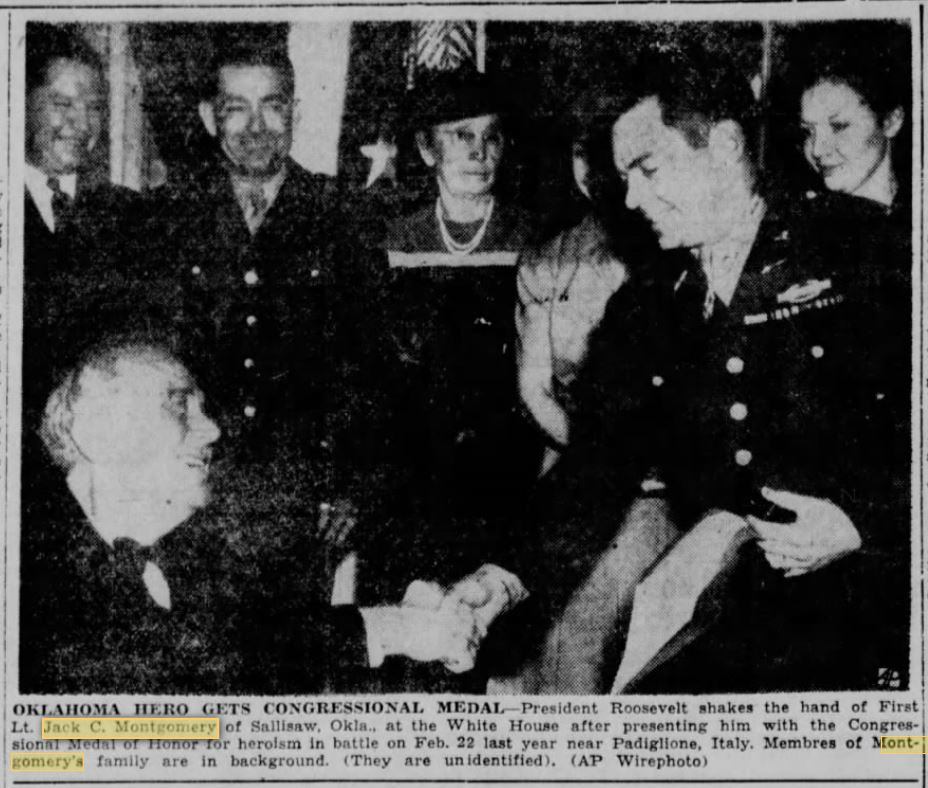
“The Spirit of the American Doughboy” statue dedicated to the Five Civilized Tribes and Oklahoma’s most decorated World War I Veteran Code Talker, Joseph Oklahombi (Choctaw), has stood guard since 1925. And, the VA hospital was the first one named after a Native American, Jack C. Montgomery, a member of the Cherokee Nation.
Today, the Jack C. Montgomery VAMC continues its outstanding service to Native American Veterans and their communities. Considered a rural hospital, it serves 25 counties in Eastern Oklahoma and is proud to welcome the highest number of Native American Veterans in the country.
Note: This story was first published on the Eastern Oklahoma VA Health Care System website, in the history section. To learn more, check out their History Stories page.
By Stacy Mince
Historian, VA Rocky Mountain Network
Share this story
Related Stories
Featured Stories
A Brief History of the Board of Veterans’ Appeals
On July 28, 1933, President Franklin Delano Roosevelt signed Executive Order 6230 creating the Board of Veterans’ Appeals (BVA). The BVA was created as part of the Veterans Administration (VA), which had been established only three years earlier.
Featured Stories
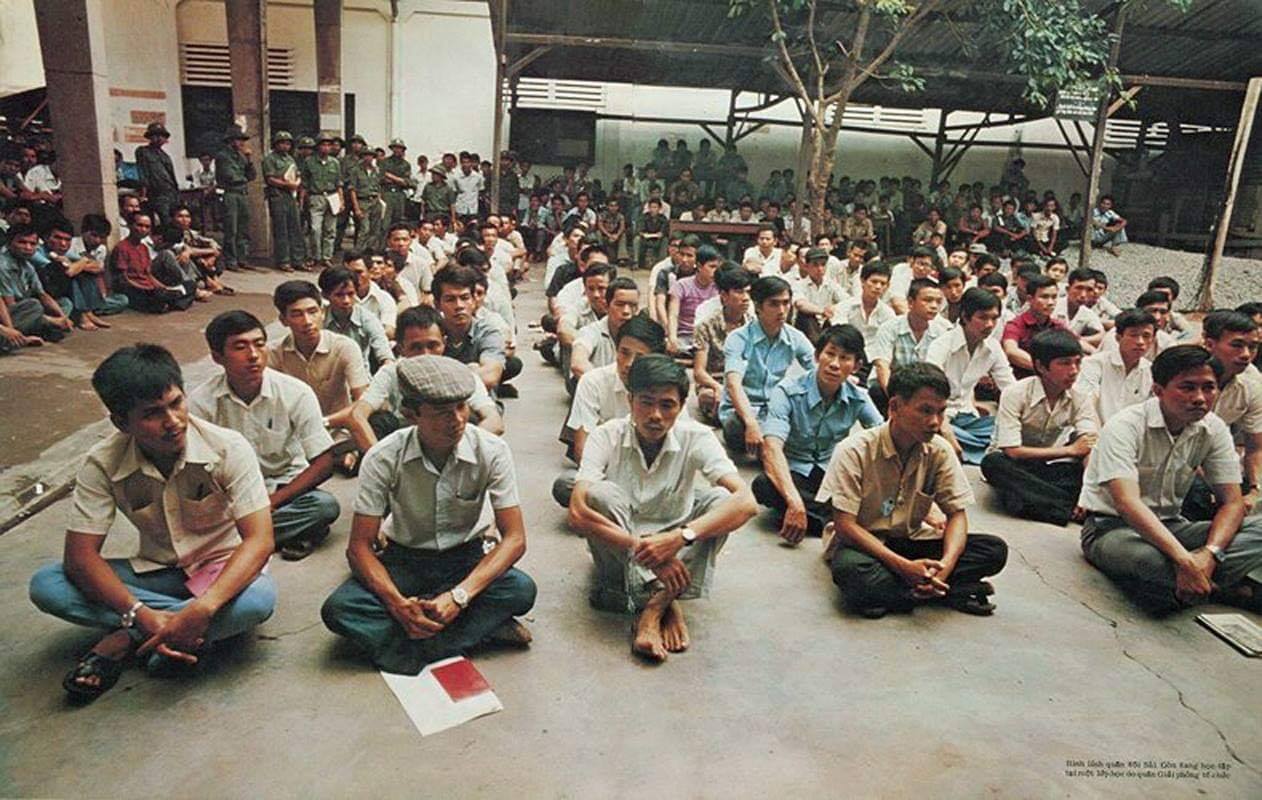
The Fall of Saigon 1975: A South Vietnamese Military Physician Remembers
"There was chaos in the streets when I made my way to the hospital on the morning of April 30, 1975. In a place of order, there was now great confusion. The director and vice director of the hospital were gone, making me, the chief of medicine, the highest-ranking medical officer."